UNO Mini Compatible Development Board, ATmega328P-Based Microcontroller Module with USB Interface, 5V Logic, Breadboard-Friendly Compact Arduino-Compatible Controller for DIY Prototyping
Overview The UNO MINI is a compact, UNO-compatible development board designed for makers who want the familiar ATmega328P ecosystem in a smaller, more integration-friendly form factor.
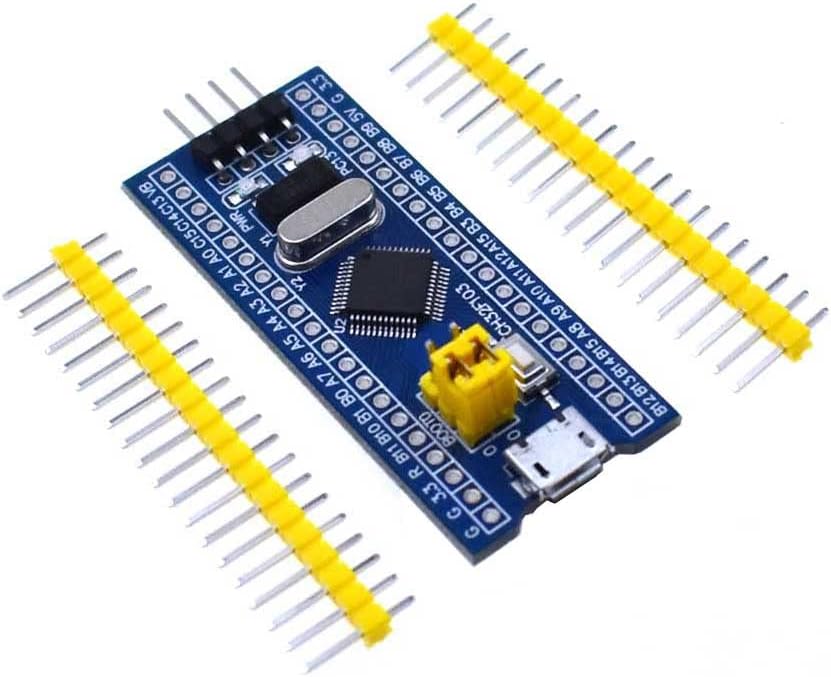
1x UNO MINI compatible development board
Overview
The UNO MINI is a compact, UNO-compatible development board designed for makers who want the familiar ATmega328P ecosystem in a smaller, more integration-friendly form factor. It targets the same style of workflows used in UNO-class projects—rapid prototyping, sensor interfacing, actuator control, and serial debugging—while reducing board size for breadboards, portable devices, and space-constrained enclosures. Because “UNO Mini” boards can differ slightly by production run, this listing prioritizes technical clarity and calls out where values can vary by module revision.
Technical Details
At the core is an ATmega328P microcontroller (UNO-class), commonly used for 8-bit embedded control with a large library ecosystem and broad IDE support. The board includes a USB interface for uploading firmware and for serial communication with a PC. The exact USB-to-serial implementation can vary (for example, different USB bridge ICs or MCU-based USB solutions depending on revision), which can affect driver requirements and how the board enumerates on your operating system. For best results, confirm the USB interface type on your specific module and install the appropriate driver if your OS does not recognize it automatically.
The UNO MINI typically exposes the same functional groups you expect from an UNO-style board: digital GPIO for switches, LEDs, and PWM control; analog inputs for reading sensors; and power pins for supplying external modules. Common serial interfaces (UART and often I2C/SPI via dedicated pins) are generally accessible through headers, but the exact header layout and labeling may differ from full-size UNO boards. If you are migrating a shield-based project, note that the mini format is usually not shield-stack compatible; instead, it is intended for wiring via headers, dupont leads, or breadboard jumpers.
Specifications
- Microcontroller: ATmega328P (UNO-class 8-bit AVR)
- Logic level: 5V logic (typical for UNO-class designs; confirm if your revision supports alternate logic)
- USB programming/serial: Supported (USB interface IC varies by module revision; check datasheet/board markings)
- I/O availability: Digital I/O and analog inputs exposed via headers (exact count and pin mapping varies by revision)
- Communication interfaces: UART supported; I2C/SPI availability depends on pin breakout and board revision (check silkscreen/datasheet)
- Power input: Typically supports USB power; additional power input options vary by module revision (check board labeling)
- Form factor: Mini/compact UNO-compatible board (dimensions vary by manufacturer/revision)
Applications
- Compact Arduino-compatible controller for DIY electronics, STEM learning, and classroom labs
- Sensor data acquisition (analog sensors, basic digital sensors, and common breakout modules)
- PWM control for LEDs, small DC motor drivers, and servo signal generation (with appropriate external power)
- Serial-to-PC projects such as data logging, command consoles, and simple instrumentation
- Embedded control in small enclosures: wearables (with proper power design), portable gadgets, and robotics submodules
- Breadboard prototyping where a smaller board improves wiring access and layout
Integration Notes
- Board selection in IDE: Many UNO MINI boards are programmed using an “UNO”/ATmega328P-compatible target, but this can vary. If uploads fail, verify the bootloader type and processor setting recommended by the seller or printed documentation.
- USB drivers: If the board uses a USB-UART bridge that requires drivers, install the correct driver for your OS. If it enumerates as a standard serial device, no extra driver may be needed.
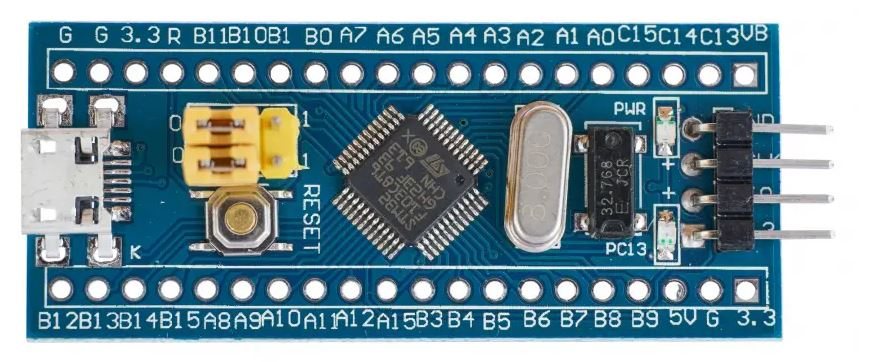
- Pin mapping: Do not assume shield pin positions match a full-size UNO. Use the silkscreen labels and confirm I2C/SPI pins before wiring.
- Power planning: When driving motors, relays, or high-current loads, use an external power supply and proper grounding. Do not draw heavy load current from the board’s 5V rail unless your revision explicitly supports it.
- Level compatibility: This is typically a 5V logic board. If you connect to 3.3V-only sensors or modules, use level shifting or choose 5V-tolerant parts as required.
Included Components
1x UNO MINI compatible development board
No reviews for this component yet.
Related Components