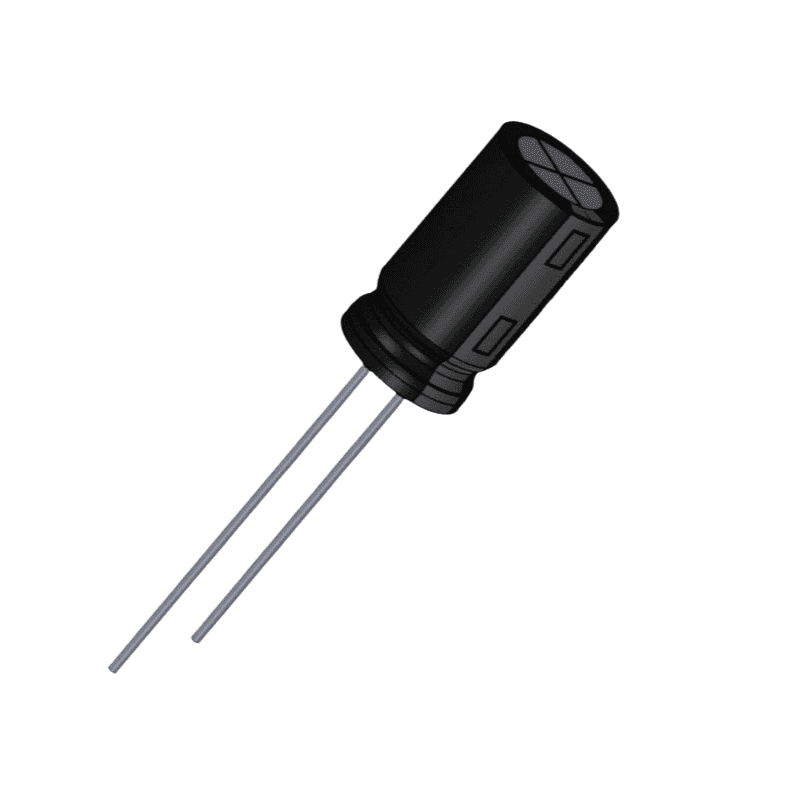
100uF Electrolytic Capacitor Pack - Radial Lead Aluminum Capacitors for Power Supply Filtering, Audio Circuits & DIY Electronics
plus AED 20 delivery · free over AED 100
- UAE-wide delivery, 1–2 working days · AED 20 · free on orders AED 100+
- Ships today — order by 3pm
- 7-day returns on unopened items
- SKU
- DIY-340
- Category
- Components
- Brand / MPN
- DIYKIT
- Min. order
- 1 pc
- Barcode
- DKU-000385
Overview The 100uF Electrolytic Capacitor is a fundamental passive electronic component engineered for reliable energy storage, power supply filtering, and signal decoupling in DIY electronics, prototyping, and circuit repair.
Read the full description ↓Complete the build
The parts this one is wired with in our kits — have them on the bench before you start.
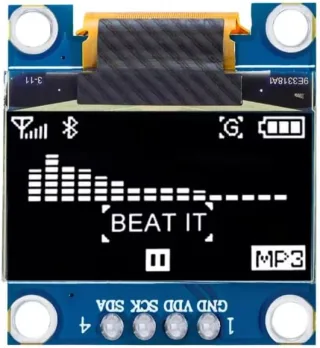
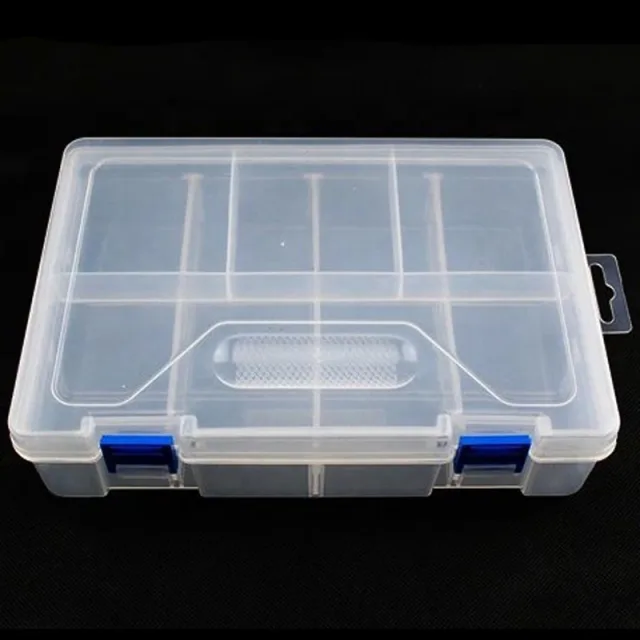
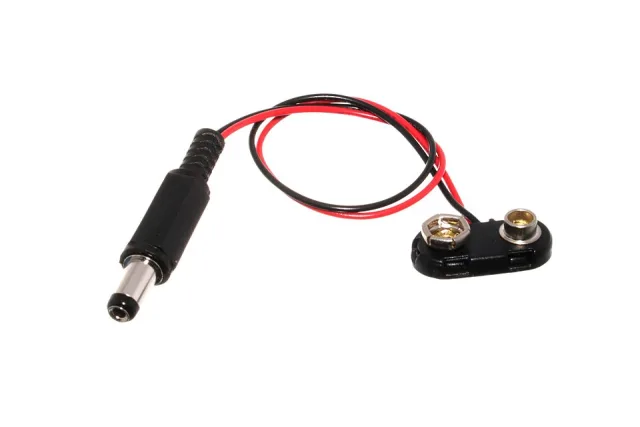
100uF Electrolytic Capacitors
Description
Overview
The 100uF Electrolytic Capacitor is a fundamental passive electronic component engineered for reliable energy storage, power supply filtering, and signal decoupling in DIY electronics, prototyping, and circuit repair. Whether you are building a custom power supply, stabilizing a voltage regulator, or designing an audio amplification circuit, maintaining stable voltage rails is critical for preventing noise, voltage drops, and unwanted oscillations. This radial lead aluminum electrolytic capacitor provides the stable capacitance needed to smooth out ripple currents and maintain clean power delivery across your entire circuit design. Featuring standard through-hole radial leads, it integrates effortlessly into printed circuit boards, stripboards, and solderless breadboards alike.
Technical Details
Aluminum electrolytic capacitors operate by utilizing an electrolyte solution to achieve a significantly higher capacitance density compared to ceramic or film alternatives. The 100uF capacitor features a cylindrical aluminum casing with both leads exiting from the same bottom surface, known as a radial configuration. This footprint design saves valuable surface area on high-density circuit boards. Inside the casing, an etched aluminum foil anode and a cathode foil are separated by paper saturated with liquid electrolyte, which forms the dielectric oxide layer upon initial charging. Because electrolytic capacitors are polarized, proper orientation during installation is vital to prevent component failure, overheating, or rupture. A clearly marked negative stripe along the side of the body indicates the cathode lead, ensuring straightforward identification during assembly.
Specifications
The component operates reliably within standard temperature ranges typical of consumer and industrial electronics environments. While exact voltage ratings, temperature thresholds, and tolerance values vary by specific manufacturer batch and module revision, standard general-purpose electrolytic capacitors typically support common working voltages ranging from 16V to 50V DC with a standard capacitance tolerance of plus or minus twenty percent. Equivalent series resistance and ripple current handling are optimized for standard DC filtering tasks rather than high-frequency switching power supplies. Always verify the maximum voltage rating printed on the individual component casing before applying power in your circuit design to ensure safe operation.
Applications
Electrolytic capacitors are ubiquitous in modern electronics. The 100uF capacity rating is exceptionally well-suited for power supply smoothing applications immediately following bridge rectifiers or linear voltage regulators like the 7805. In audio electronics, these capacitors serve effectively as coupling and decoupling elements to block direct current while allowing alternating current audio signals to pass freely between amplifier stages. They are also widely utilized in timer circuits involving the 555 timer IC, microcontroller reset circuits, relay driver output smoothing, LED driver filtering, and general-purpose prototyping on breadboards for hobbyists, students, and professional electronics technicians.
Integration Notes
Proper integration of polarized electrolytic capacitors requires careful attention to circuit polarity. Connecting the positive lead to the higher voltage potential and the negative lead (marked with the stripe) to ground or a lower potential is mandatory. Exceeding the maximum rated DC working voltage or subjecting the component to reverse polarity can lead to electrolyte leakage, venting, or catastrophic failure. When soldering radial leads onto a PCB, use a controlled-temperature soldering iron and avoid excessive heat exposure that could damage the internal seals. For high-reliability designs or noisy electrical environments, pairing this bulk decoupling capacitor with a smaller 0.1uF ceramic bypass capacitor close to integrated circuit power pins is strongly recommended.
Included Components
100uF Electrolytic Capacitors
Specifications
No reviews yet · be the first
Sign in to review a product you have bought - or use the review link in your order email, which needs no account and marks your review as a verified purchase.
Related components
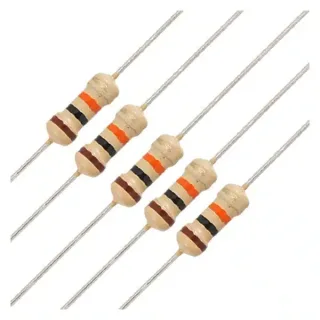 In Stock
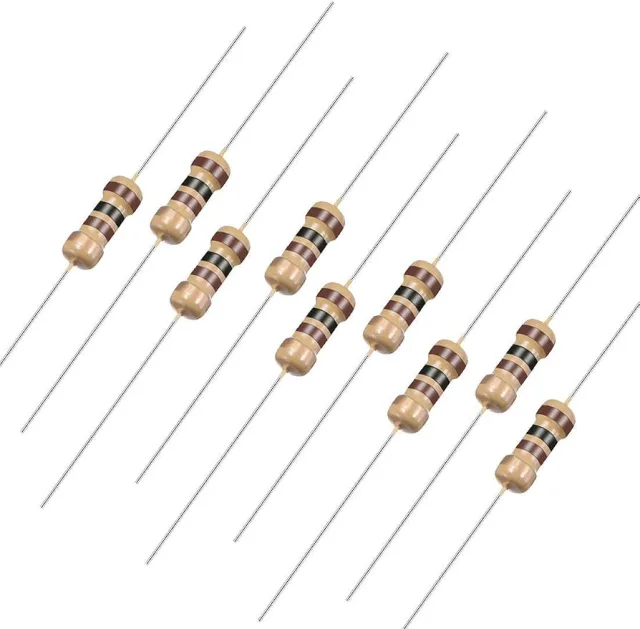 In Stock
%22%2F%3E%3Cellipse%20cx%3D%2228%22%20cy%3D%2224%22%20rx%3D%2226%22%20ry%3D%2214%22%20fill%3D%22rgba(255%2C255%2C255%2C.18)%22%2F%3E%3Crect%20x%3D%2222%22%20y%3D%2228%22%20width%3D%2256%22%20height%3D%2250%22%20rx%3D%2212%22%20fill%3D%22url(%23b)%22%20filter%3D%22url(%23s)%22%2F%3E%3Cellipse%20cx%3D%2234%22%20cy%3D%2236%22%20rx%3D%2212%22%20ry%3D%226%22%20fill%3D%22rgba(255%2C255%2C255%2C.28)%22%20transform%3D%22rotate(-18%2034%2036)%22%2F%3E%3Crect%20x%3D%2234%22%20y%3D%2215%22%20width%3D%225%22%20height%3D%2214%22%20rx%3D%222.5%22%20fill%3D%22%236ee7b7%22%2F%3E%3Crect%20x%3D%2261%22%20y%3D%2215%22%20width%3D%225%22%20height%3D%2214%22%20rx%3D%222.5%22%20fill%3D%22%236ee7b7%22%2F%3E%3Ccircle%20cx%3D%2236.5%22%20cy%3D%2214%22%20r%3D%224%22%20fill%3D%22%23a7f3d0%22%2F%3E%3Ccircle%20cx%3D%2263.5%22%20cy%3D%2214%22%20r%3D%224%22%20fill%3D%22%23a7f3d0%22%2F%3E%3Crect%20x%3D%2228%22%20y%3D%2242%22%20width%3D%2244%22%20height%3D%2222%22%20rx%3D%226%22%20fill%3D%22%23022c22%22%2F%3E%3Cline%20x1%3D%2228%22%20y1%3D%2250%22%20x2%3D%2272%22%20y2%3D%2250%22%20stroke%3D%22%2334d399%22%20stroke-width%3D%22.8%22%20stroke-opacity%3D%22.5%22%2F%3E%3Cline%20x1%3D%2228%22%20y1%3D%2257%22%20x2%3D%2272%22%20y2%3D%2257%22%20stroke%3D%22%2334d399%22%20stroke-width%3D%22.8%22%20stroke-opacity%3D%22.5%22%2F%3E%3Cline%20x1%3D%2244%22%20y1%3D%2242%22%20x2%3D%2244%22%20y2%3D%2264%22%20stroke%3D%22%2334d399%22%20stroke-width%3D%22.8%22%20stroke-opacity%3D%22.5%22%2F%3E%3Cline%20x1%3D%2256%22%20y1%3D%2242%22%20x2%3D%2256%22%20y2%3D%2264%22%20stroke%3D%22%2334d399%22%20stroke-width%3D%22.8%22%20stroke-opacity%3D%22.5%22%2F%3E%3Ccircle%20cx%3D%2238%22%20cy%3D%2252%22%20r%3D%226%22%20fill%3D%22%2334d399%22%20opacity%3D%22.9%22%2F%3E%3Ccircle%20cx%3D%2262%22%20cy%3D%2252%22%20r%3D%226%22%20fill%3D%22%2334d399%22%20opacity%3D%22.9%22%2F%3E%3Ccircle%20cx%3D%2236.5%22%20cy%3D%2250.5%22%20r%3D%222%22%20fill%3D%22white%22%2F%3E%3Ccircle%20cx%3D%2260.5%22%20cy%3D%2250.5%22%20r%3D%222%22%20fill%3D%22white%22%2F%3E%3Cpath%20d%3D%22M36%2068%20Q50%2076%2064%2068%22%20fill%3D%22none%22%20stroke%3D%22%23022c22%22%20stroke-width%3D%222.5%22%20stroke-linecap%3D%22round%22%2F%3E%3C%2Fsvg%3E)