 In Stock
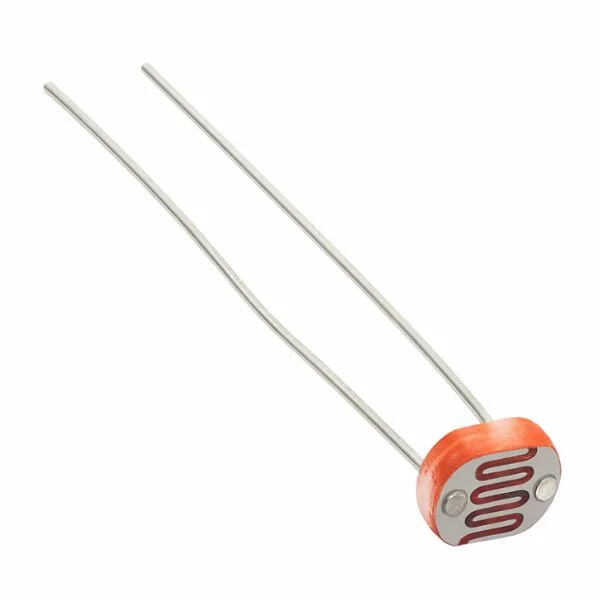
5mm LDR Photoresistor Light Dependent Resistor - 10-Pack Dual-Lead CdS Photoelectric Cell Light Sensor for Arduino, Raspberry Pi, and DIY Electronic Prototyping Circuits
- UAE-wide delivery, 1–2 working days · AED 20 · free on orders AED 100+
- Ships today — order by 3pm
- 7-day returns on unopened items
- SKU
- DIY-00091
- Category
- Components
- Brand / MPN
- DIYKIT
- Min. order
- 1 pc
- Barcode
- DKU-000129
Overview The DIYKIT 5mm LDR (Light Dependent Resistor) Photoresistor is a fundamental optoelectronic component designed for precise light detection and ambient light sensing in a wide range of electronic projects.
Read the full description ↓Complete the build
Our own DIYKIT board was made for this — plus what it is usually wired or ordered with.
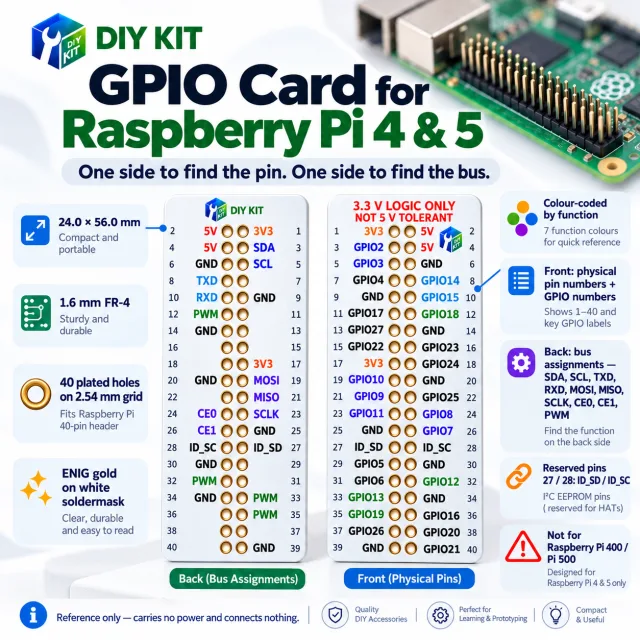
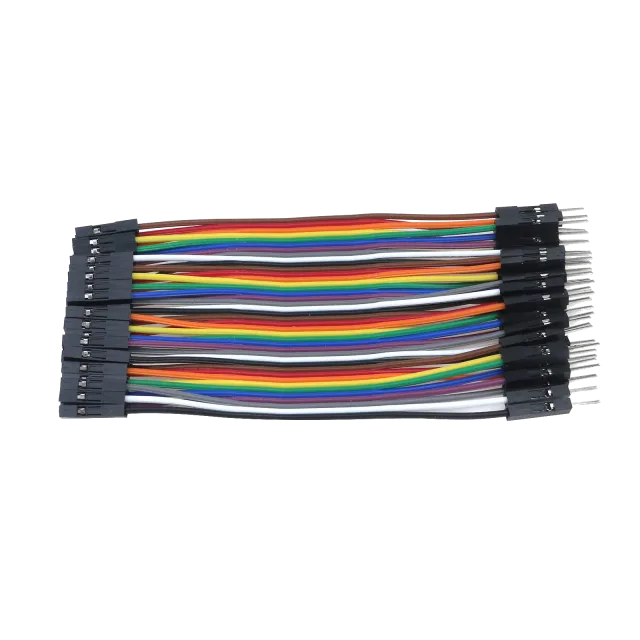
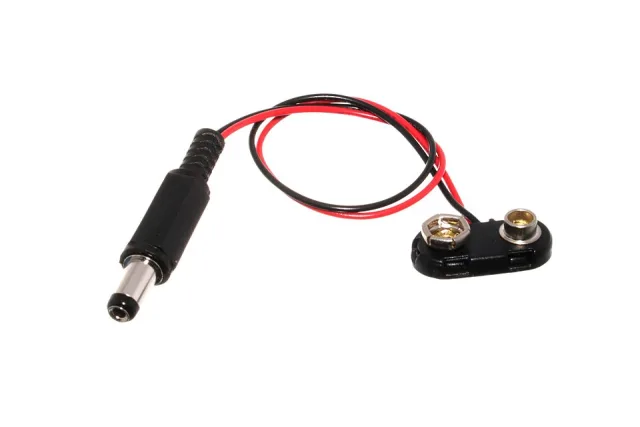
10 x DIYKIT 5mm LDR Photoresistors (Light Dependent Resistors)
Description
Overview
The DIYKIT 5mm LDR (Light Dependent Resistor) Photoresistor is a fundamental optoelectronic component designed for precise light detection and ambient light sensing in a wide range of electronic projects. Also known as a cadmium sulfide (CdS) photoconductive cell, this light-sensitive resistor exhibits a variable resistance that decreases dynamically as the incident light intensity increases. Packaged in a standard 5mm through-hole radial format, this component is an indispensable building block for hobbyists, students, makers, and professional engineers alike. Whether you are designing an automatic nightlight, a solar tracking system, or an educational physics experiment, this LDR provides a reliable, low-cost, and highly responsive solution for translating optical variation into measurable electrical signals.
Technical Details
At the core of the DIYKIT 5mm LDR is a semi-conductive cadmium sulfide track deposited onto a ceramic substrate. When photons of sufficient energy strike the semiconductor material, valence electrons are excited into the conduction band, significantly increasing the material's electrical conductivity and thereby lowering its overall resistance. The physical package features a durable epoxy resin coating that protects the sensitive CdS grid from moisture, dust, and mechanical wear, ensuring long-term stability and consistent performance. The radial leads are constructed from high-conductivity, tin-plated copper, measuring approximately 28mm to 30mm in length. This generous lead length makes the photoresistor exceptionally easy to insert directly into solderless breadboards, stripboards, and custom printed circuit boards (PCBs). The spectral response of this LDR peaks at approximately 540 nanometers, which closely mimics the human eye's sensitivity to green-yellow light, making it highly effective for environmental light monitoring.
Specifications
Please note that exact electrical characteristics may vary slightly depending on the specific manufacturing batch and environmental conditions.
- Sensor Type: Light Dependent Resistor (LDR) / Photoresistor
- Package Diameter: 5 mm (Standard T1 3/4 through-hole)
- Lead Length: 28 mm to 30 mm (approximate)
- Peak Spectral Response: 540 nm (typical)
- Light Resistance (at 10 Lux): 10 kOhm to 20 kOhm (typical, check datasheet for exact batch values)
- Dark Resistance (at 0 Lux): 1 MOhm minimum (typical, varies by module revision)
- Maximum Operating Voltage: 150 V DC
- Maximum Power Dissipation: 100 mW (at 25 degrees Celsius)
- Gamma Value (at 100
- 10 Lux): 0.6 (typical)
- Response Time: 20 ms (Rise Time), 30 ms (Decay Time) (typical values)
- Operating Temperature Range:
- 30 to +70 degrees Celsius
Applications
The versatility of the 5mm LDR makes it suitable for an extensive array of applications across consumer electronics, robotics, and industrial automation. Common use cases include:
- Automatic Lighting Control: Designing smart streetlights, garden path lights, and nightlights that automatically turn on at dusk and off at dawn.
- Solar Tracking Systems: Utilizing multiple LDRs arranged in a differential configuration to guide solar panels toward the brightest point in the sky.
- Security and Intrusion Detection: Implementing light-barrier or laser-tripwire alarm systems where breaking the beam triggers a state change.
- Camera Exposure Control: Assisting in simple light metering circuits to adjust exposure times or flash activation.
- Educational Science Kits: Serving as a primary teaching tool for demonstrating variable resistance, voltage dividers, and basic analog-to-digital conversion in STEM curricula.
Integration Notes
To integrate the DIYKIT 5mm LDR into a digital microcontroller system such as an Arduino, Raspberry Pi, or ESP32, it is typically configured as part of a voltage divider circuit. Connect one lead of the LDR to the VCC power rail (e.g., 5V or 3.3V) and the other lead to an analog input pin on your microcontroller. From that same analog input pin, connect a static pull-down resistor (typically 10k Ohms) to the Ground (GND) rail. As light shines on the LDR, its resistance drops, causing the voltage at the analog pin to rise toward VCC. Conversely, in dark conditions, the LDR's resistance increases dramatically, pulling the analog pin's voltage down toward GND. This analog voltage can then be read using the microcontroller's Analog-to-Digital Converter (ADC) to trigger specific software actions based on ambient light thresholds. For pure analog circuits, the LDR can directly bias the base of a transistor to switch a relay or drive an LED without the need for a microcontroller.
Included Components
10 x DIYKIT 5mm LDR Photoresistors (Light Dependent Resistors)
Specifications
No reviews yet · be the first
Sign in to review a product you have bought - or use the review link in your order email, which needs no account and marks your review as a verified purchase.
Related components
 In Stock
 In Stock
%22%2F%3E%3Cellipse%20cx%3D%2228%22%20cy%3D%2224%22%20rx%3D%2226%22%20ry%3D%2214%22%20fill%3D%22rgba(255%2C255%2C255%2C.18)%22%2F%3E%3Crect%20x%3D%2222%22%20y%3D%2228%22%20width%3D%2256%22%20height%3D%2250%22%20rx%3D%2212%22%20fill%3D%22url(%23b)%22%20filter%3D%22url(%23s)%22%2F%3E%3Cellipse%20cx%3D%2234%22%20cy%3D%2236%22%20rx%3D%2212%22%20ry%3D%226%22%20fill%3D%22rgba(255%2C255%2C255%2C.28)%22%20transform%3D%22rotate(-18%2034%2036)%22%2F%3E%3Crect%20x%3D%2234%22%20y%3D%2215%22%20width%3D%225%22%20height%3D%2214%22%20rx%3D%222.5%22%20fill%3D%22%236ee7b7%22%2F%3E%3Crect%20x%3D%2261%22%20y%3D%2215%22%20width%3D%225%22%20height%3D%2214%22%20rx%3D%222.5%22%20fill%3D%22%236ee7b7%22%2F%3E%3Ccircle%20cx%3D%2236.5%22%20cy%3D%2214%22%20r%3D%224%22%20fill%3D%22%23a7f3d0%22%2F%3E%3Ccircle%20cx%3D%2263.5%22%20cy%3D%2214%22%20r%3D%224%22%20fill%3D%22%23a7f3d0%22%2F%3E%3Crect%20x%3D%2228%22%20y%3D%2242%22%20width%3D%2244%22%20height%3D%2222%22%20rx%3D%226%22%20fill%3D%22%23022c22%22%2F%3E%3Cline%20x1%3D%2228%22%20y1%3D%2250%22%20x2%3D%2272%22%20y2%3D%2250%22%20stroke%3D%22%2334d399%22%20stroke-width%3D%22.8%22%20stroke-opacity%3D%22.5%22%2F%3E%3Cline%20x1%3D%2228%22%20y1%3D%2257%22%20x2%3D%2272%22%20y2%3D%2257%22%20stroke%3D%22%2334d399%22%20stroke-width%3D%22.8%22%20stroke-opacity%3D%22.5%22%2F%3E%3Cline%20x1%3D%2244%22%20y1%3D%2242%22%20x2%3D%2244%22%20y2%3D%2264%22%20stroke%3D%22%2334d399%22%20stroke-width%3D%22.8%22%20stroke-opacity%3D%22.5%22%2F%3E%3Cline%20x1%3D%2256%22%20y1%3D%2242%22%20x2%3D%2256%22%20y2%3D%2264%22%20stroke%3D%22%2334d399%22%20stroke-width%3D%22.8%22%20stroke-opacity%3D%22.5%22%2F%3E%3Ccircle%20cx%3D%2238%22%20cy%3D%2252%22%20r%3D%226%22%20fill%3D%22%2334d399%22%20opacity%3D%22.9%22%2F%3E%3Ccircle%20cx%3D%2262%22%20cy%3D%2252%22%20r%3D%226%22%20fill%3D%22%2334d399%22%20opacity%3D%22.9%22%2F%3E%3Ccircle%20cx%3D%2236.5%22%20cy%3D%2250.5%22%20r%3D%222%22%20fill%3D%22white%22%2F%3E%3Ccircle%20cx%3D%2260.5%22%20cy%3D%2250.5%22%20r%3D%222%22%20fill%3D%22white%22%2F%3E%3Cpath%20d%3D%22M36%2068%20Q50%2076%2064%2068%22%20fill%3D%22none%22%20stroke%3D%22%23022c22%22%20stroke-width%3D%222.5%22%20stroke-linecap%3D%22round%22%2F%3E%3C%2Fsvg%3E)