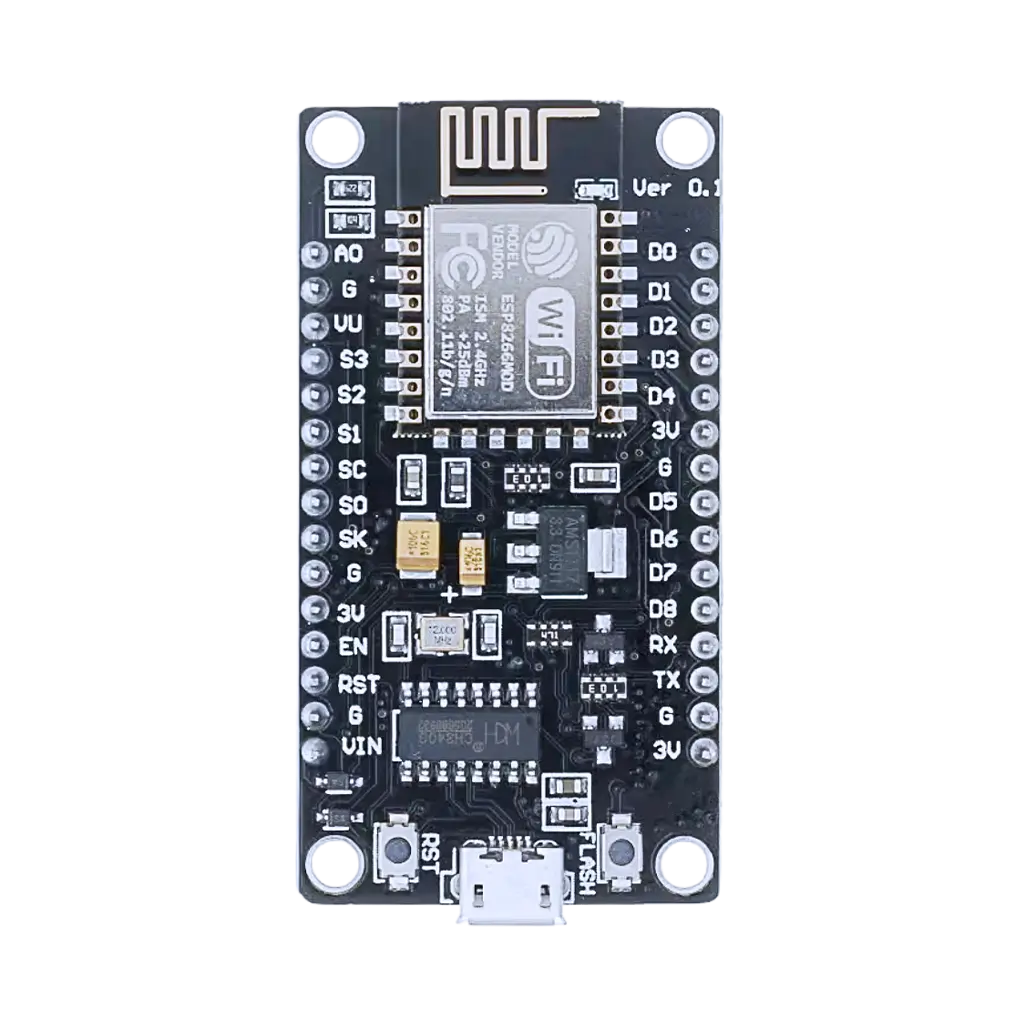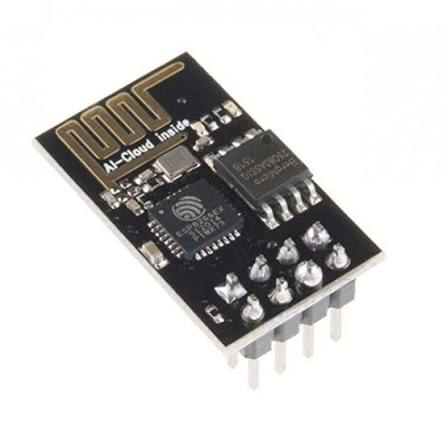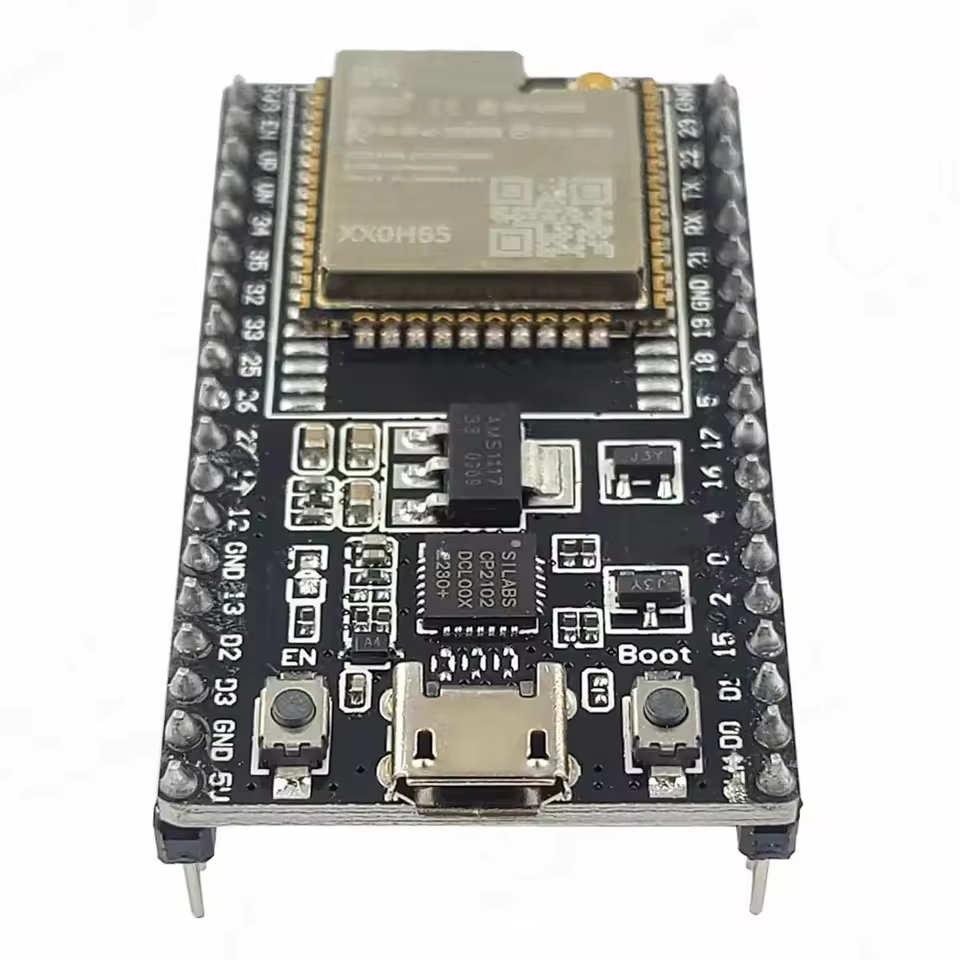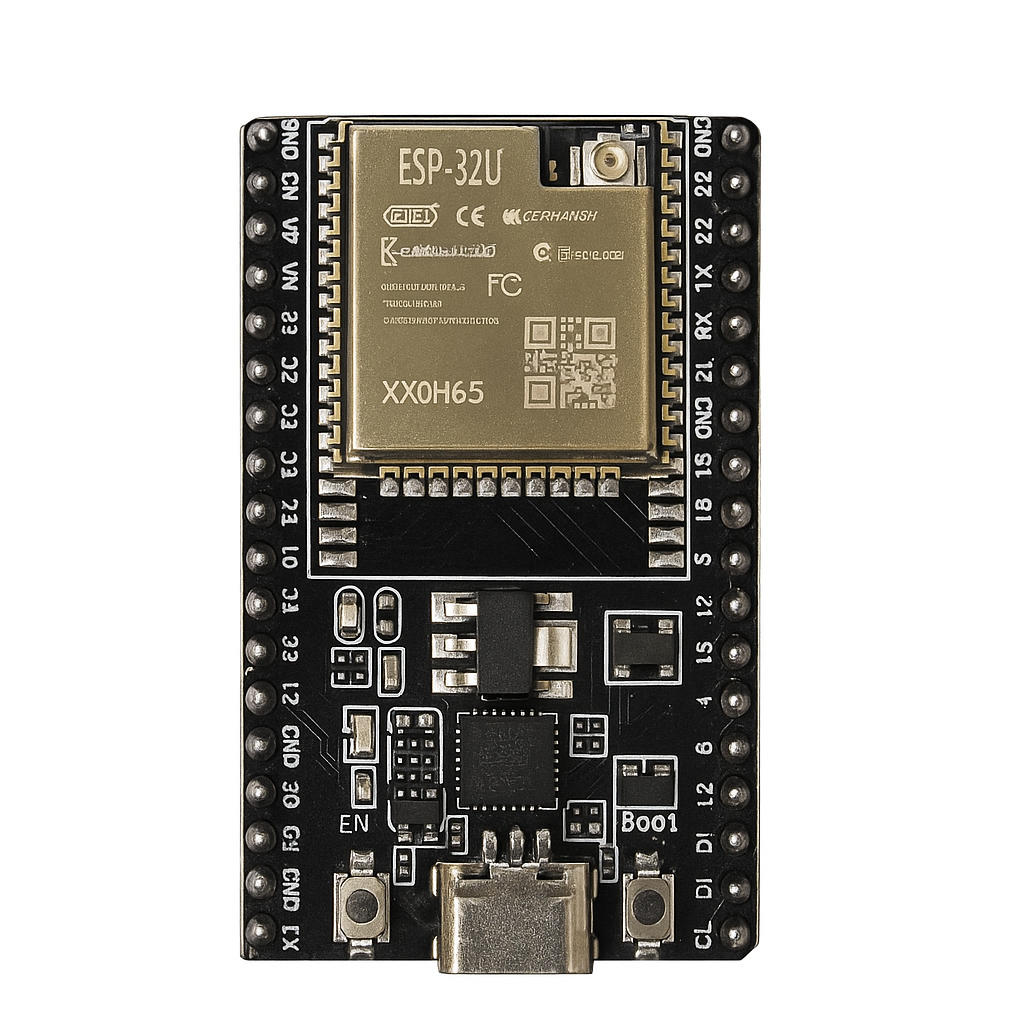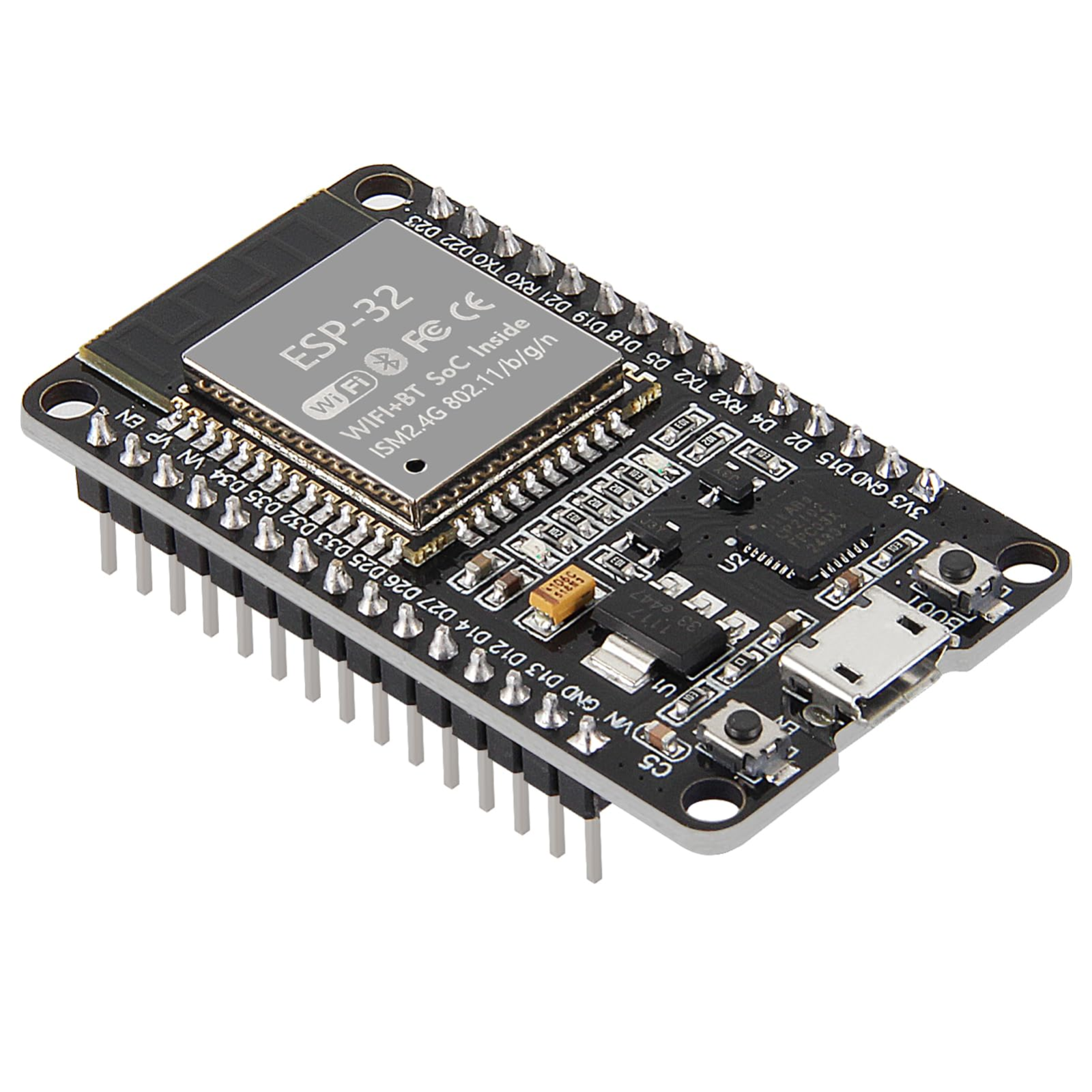
ESP32 WiFi and Bluetooth Development Board - Dual-Core 240MHz Microcontroller, Ultra-Low Power SoC, for IoT Smart Home and Arduino Projects
- UAE-wide delivery, 1–3 working days · free over AED 150
- Ships today for orders before 3pm
- 7-day returns on unopened items
- SKU
- DIY-342
- Category
- ESP32 / WiFi Modules
- Brand / MPN
- DIYKIT
- Min. order
- 1 pc
- Barcode
- DKU-000387
Overview The ESP32 WiFi and Bluetooth Development Board is an exceptionally versatile and powerful microcontroller module engineered specifically for Internet of Things (IoT) development, smart home automation, wearable electronics, and wireless mesh networking.
Read the full description ↓1 x ESP32 WiFi and Bluetooth Development Board
Description
Overview
The ESP32 WiFi and Bluetooth Development Board is an exceptionally versatile and powerful microcontroller module engineered specifically for Internet of Things (IoT) development, smart home automation, wearable electronics, and wireless mesh networking. Built around a high-performance dual-core system-on-chip, this board provides an exceptional balance of processing speed, connectivity options, and power efficiency. Whether you are an experienced embedded systems engineer, a DIY hobbyist building a connected weather station, or an educator teaching microcontroller programming, the ESP32 delivers industrial-grade performance in an accessible form factor. By combining robust Wi-Fi and Bluetooth capabilities with a rich array of hardware peripherals, it eliminates the need for external wireless modules and streamlines your hardware design process.
Technical Details
At the core of the ESP32 module lies a dual-core Tensilica Xtensa 32-bit LX6 microprocessor, capable of operating at clock frequencies adjustable from 80 MHz up to 240 MHz. This immense processing power allows the device to handle heavy computational loads, run complex communication protocols, and execute real-time operating system (RTOS) tasks effortlessly. The integrated wireless subsystem supports Wi-Fi 802.11 b/g/n protocols with data rates up to 150 Mbps, alongside Bluetooth v4.2 BR/EDR and Bluetooth Low Energy (BLE) for seamless pairing with smartphones, sensors, and peripherals. The architecture includes advanced security features such as secure boot, flash encryption, cryptographic hardware accelerators, and a unique MAC address, ensuring your connected devices remain protected against modern cybersecurity threats.
Specifications
Operating Voltage: 3.3 V varies by module revision
Input Voltage VIN: 5.0 V via USB or external power supply
Clock Frequency: Up to 240 MHz
Flash Memory: 4 MB SPI Flash varies by module revision
SRAM: 520 KB internal SRAM
GPIO Pins: 34 programmable digital input/output pins
Analog Inputs: 12-bit SAR ADCs up to 18 channels
Analog Outputs: 8-bit DACs 2 channels
Communication Interfaces: 3 x UART, 3 x SPI, 2 x I2C, 2 x I2S, CAN 2.0
Wi-Fi Protocols: 802.11 b/g/n 802.11n up to 150 Mbps
Bluetooth: v4.2 BR/EDR and BLE specifications
Operating Temperature Range:
- 40 to +85 degrees Celsius
Applications
This development board is exceptionally well-suited for a vast array of DIY and commercial projects. Common applications include home automation systems for controlling smart lights, thermostats, and security cameras; wireless sensor networks for agricultural monitoring and environmental data logging; wearable health devices transmitting telemetry over Bluetooth; IoT gateway controllers; robotics remote control via Wi-Fi; and educational labs focusing on embedded programming and network communication. Its low power modes also make it a prime candidate for battery-operated remote sensor nodes that require deep sleep functionality between data transmissions.
Integration Notes
To begin development, connect the board to your computer using a standard USB cable. Depending on the specific module revision, you may need to install a CP2102 or CH340 USB-to-UART bridge driver to allow your operating system to communicate with the board. In the Arduino IDE, ensure you have installed the ESP32 board definitions via the Board Manager. When powering the board externally through the VIN pin, regulate your voltage carefully to prevent permanent damage to the onboard voltage regulator. Always verify the pinout configuration of your specific physical module layout, as pin placements can vary slightly between different third-party breakout board layouts and manufacturer revisions.
Included Components
1 x ESP32 WiFi and Bluetooth Development Board
Specifications
Related components