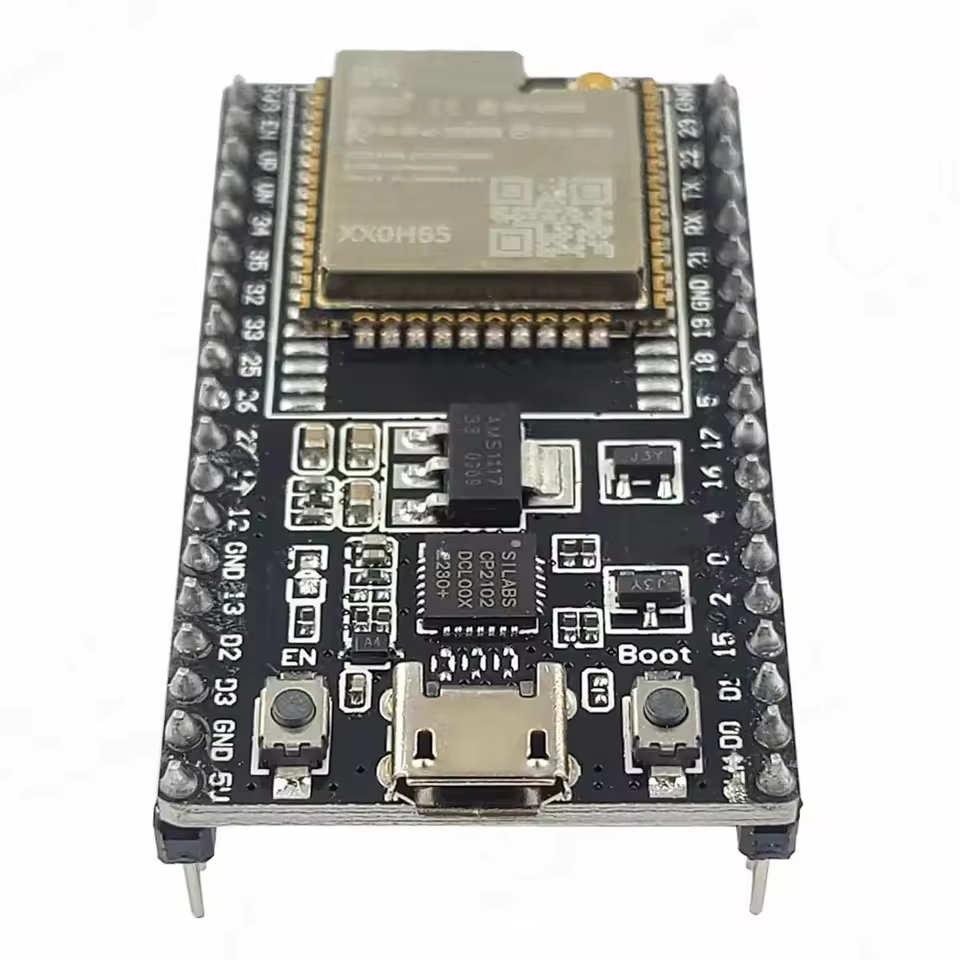
ESP32U DevKitC Micro-USB - ESP32 WiFi & Bluetooth Development Board, NodeMCU-32
plus AED 20 delivery · free over AED 100
- UAE-wide delivery, 1–2 working days · AED 20 · free on orders AED 100+
- Ships today — order by 3pm
- 7-day returns on unopened items
- SKU
- DIY-279
- Category
- ESP32 / WiFi Modules
- Brand / MPN
- DIYKIT
- Min. order
- 1 pc
- Barcode
- DKU-000320
Overview This ESP32U Development Board (NodeMCU-32 / DevKitC style) is a compact, general-purpose IoT controller designed for fast prototyping and reliable embedded development.
Read the full description ↓Complete the build
The parts this one is wired with in our kits — have them on the bench before you start.
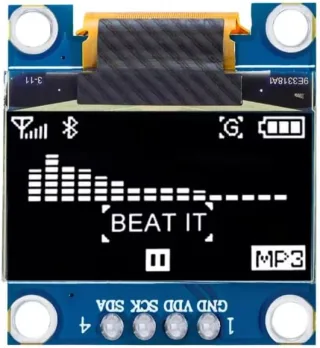
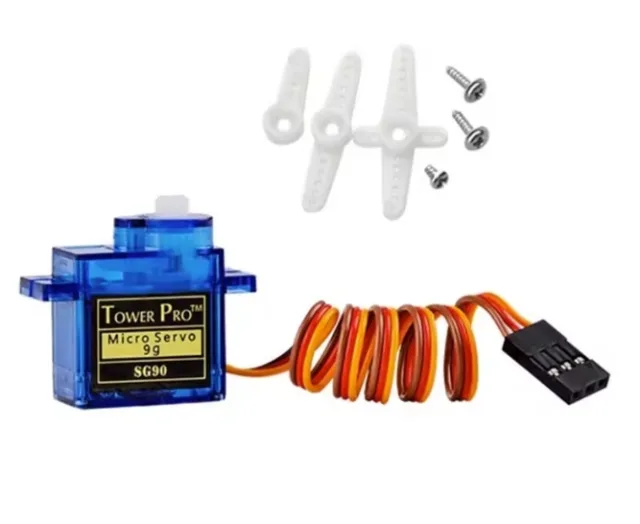
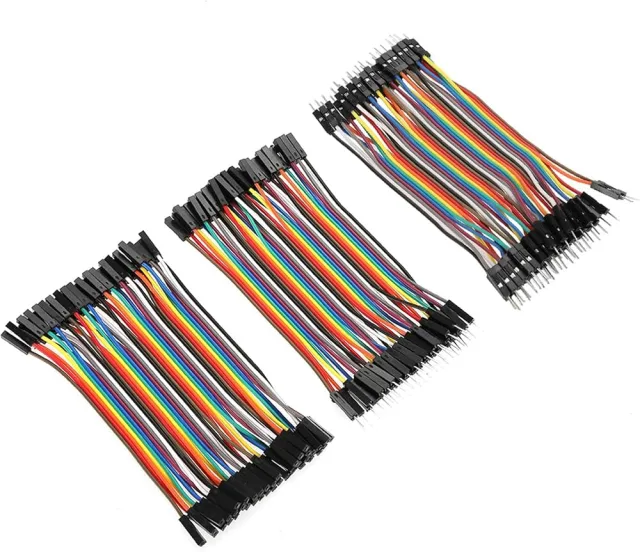
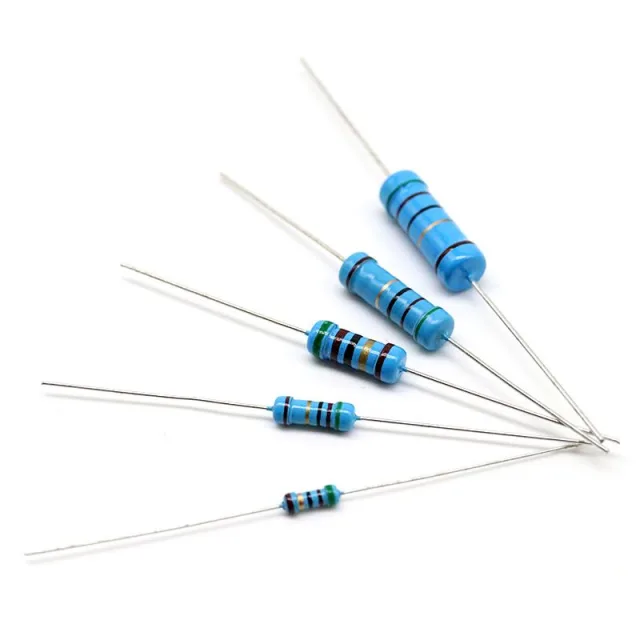
ESP32U Development Board x1
Description
Overview
This ESP32U Development Board (NodeMCU-32 / DevKitC style) is a compact, general-purpose IoT controller designed for fast prototyping and reliable embedded development. Built around an ESP32-series module, it combines 2.4 GHz WiFi and Bluetooth connectivity in a single platform so you can develop connected devices without adding external radios. The board is designed to be developer-friendly: power and programming are handled through a Micro-USB port, and the main I/O signals are routed to header pins for straightforward breadboard use, jumper wiring, or integration into custom fixtures.
Technical Details
At the core is an ESP32-class SoC/module that supports WiFi (802.11 b/g/n, 2.4 GHz) and Bluetooth (Classic and/or BLE support depends on the exact ESP32 module/firmware configuration; check datasheet for your revision). Typical DevKitC/NodeMCU-32 layouts include an onboard USB-to-UART interface for flashing firmware and serial monitoring, plus auto-reset/boot circuitry that simplifies entering download mode during uploads. Because ESP32 development boards can ship with different USB-UART bridge ICs and module variants, items such as the exact bridge chip, flash size, antenna style, and pin mapping can vary by module revision—always verify against the silkscreen and the module documentation when designing a final product.
Specifications
- Platform: ESP32-based development board (exact module variant varies by revision)
- Wireless: 2.4 GHz WiFi + Bluetooth capability (Bluetooth mode support varies; check datasheet)
- USB Interface: Micro-USB for power + programming
- Input Power: 5V via USB (typical for DevKit boards; confirm on your board labeling)
- Logic Level: 3.3V GPIO logic typical for ESP32 platforms (do not apply 5V to GPIO)
- Programming/Frameworks: Arduino IDE, ESP-IDF, MicroPython (support depends on firmware/toolchain setup)
- I/O Access: GPIO pins broken out to headers (available pins and labeling vary by board revision)
- Onboard Regulation: 5V-to-3.3V regulation present on most DevKitC-style boards (regulator rating varies)
Applications
- WiFi IoT nodes: MQTT clients, HTTP/REST devices, smart switches, and sensor gateways
- Bluetooth projects: BLE beacons, phone-connected controllers, proximity sensors (capability depends on firmware)
- Home automation: integration with Home Assistant, ESPHome-style workflows (project-dependent)
- Data acquisition: reading sensors via GPIO/ADC/I2C/SPI/UART (interfaces depend on pin availability)
- Robotics and control: motor driver control signals, servo control, encoder reading (use proper level shifting and power design)
- Prototyping and education: learning embedded networking, RTOS concepts, and peripheral interfacing
Integration Notes
- Power: Use the Micro-USB port for development. For embedded installations, provide a stable 5V input (if supported) or regulated 3.3V as required by your specific board design; confirm allowable input range on your revision.
- GPIO Safety: ESP32 GPIO is typically 3.3V-only. Use level shifters when interfacing with 5V logic modules. Avoid drawing high current directly from GPIO pins; use drivers/transistors for relays, motors, and high-power loads.
- Pin Mapping: DevKitC/NodeMCU-32 boards often differ in which pins are exposed and how they’re labeled. Validate the pinout before committing to PCB designs or wiring harnesses.
- RF Considerations: Keep metal objects and wiring away from the antenna area for best WiFi/Bluetooth performance. Enclosures and nearby ground planes can affect range.
- Firmware Upload: If uploads fail, check boot mode procedure for your revision (BOOT/EN buttons may be present), USB cable quality, and correct serial port/driver installation.
Included Components
ESP32U Development Board x1
Specifications
No reviews yet · be the first
Sign in to review a product you have bought - or use the review link in your order email, which needs no account and marks your review as a verified purchase.
Related components
%22%2F%3E%3Cellipse%20cx%3D%2228%22%20cy%3D%2224%22%20rx%3D%2226%22%20ry%3D%2214%22%20fill%3D%22rgba(255%2C255%2C255%2C.18)%22%2F%3E%3Crect%20x%3D%2222%22%20y%3D%2228%22%20width%3D%2256%22%20height%3D%2250%22%20rx%3D%2212%22%20fill%3D%22url(%23b)%22%20filter%3D%22url(%23s)%22%2F%3E%3Cellipse%20cx%3D%2234%22%20cy%3D%2236%22%20rx%3D%2212%22%20ry%3D%226%22%20fill%3D%22rgba(255%2C255%2C255%2C.28)%22%20transform%3D%22rotate(-18%2034%2036)%22%2F%3E%3Crect%20x%3D%2234%22%20y%3D%2215%22%20width%3D%225%22%20height%3D%2214%22%20rx%3D%222.5%22%20fill%3D%22%236ee7b7%22%2F%3E%3Crect%20x%3D%2261%22%20y%3D%2215%22%20width%3D%225%22%20height%3D%2214%22%20rx%3D%222.5%22%20fill%3D%22%236ee7b7%22%2F%3E%3Ccircle%20cx%3D%2236.5%22%20cy%3D%2214%22%20r%3D%224%22%20fill%3D%22%23a7f3d0%22%2F%3E%3Ccircle%20cx%3D%2263.5%22%20cy%3D%2214%22%20r%3D%224%22%20fill%3D%22%23a7f3d0%22%2F%3E%3Crect%20x%3D%2228%22%20y%3D%2242%22%20width%3D%2244%22%20height%3D%2222%22%20rx%3D%226%22%20fill%3D%22%23022c22%22%2F%3E%3Cline%20x1%3D%2228%22%20y1%3D%2250%22%20x2%3D%2272%22%20y2%3D%2250%22%20stroke%3D%22%2334d399%22%20stroke-width%3D%22.8%22%20stroke-opacity%3D%22.5%22%2F%3E%3Cline%20x1%3D%2228%22%20y1%3D%2257%22%20x2%3D%2272%22%20y2%3D%2257%22%20stroke%3D%22%2334d399%22%20stroke-width%3D%22.8%22%20stroke-opacity%3D%22.5%22%2F%3E%3Cline%20x1%3D%2244%22%20y1%3D%2242%22%20x2%3D%2244%22%20y2%3D%2264%22%20stroke%3D%22%2334d399%22%20stroke-width%3D%22.8%22%20stroke-opacity%3D%22.5%22%2F%3E%3Cline%20x1%3D%2256%22%20y1%3D%2242%22%20x2%3D%2256%22%20y2%3D%2264%22%20stroke%3D%22%2334d399%22%20stroke-width%3D%22.8%22%20stroke-opacity%3D%22.5%22%2F%3E%3Ccircle%20cx%3D%2238%22%20cy%3D%2252%22%20r%3D%226%22%20fill%3D%22%2334d399%22%20opacity%3D%22.9%22%2F%3E%3Ccircle%20cx%3D%2262%22%20cy%3D%2252%22%20r%3D%226%22%20fill%3D%22%2334d399%22%20opacity%3D%22.9%22%2F%3E%3Ccircle%20cx%3D%2236.5%22%20cy%3D%2250.5%22%20r%3D%222%22%20fill%3D%22white%22%2F%3E%3Ccircle%20cx%3D%2260.5%22%20cy%3D%2250.5%22%20r%3D%222%22%20fill%3D%22white%22%2F%3E%3Cpath%20d%3D%22M36%2068%20Q50%2076%2064%2068%22%20fill%3D%22none%22%20stroke%3D%22%23022c22%22%20stroke-width%3D%222.5%22%20stroke-linecap%3D%22round%22%2F%3E%3C%2Fsvg%3E)