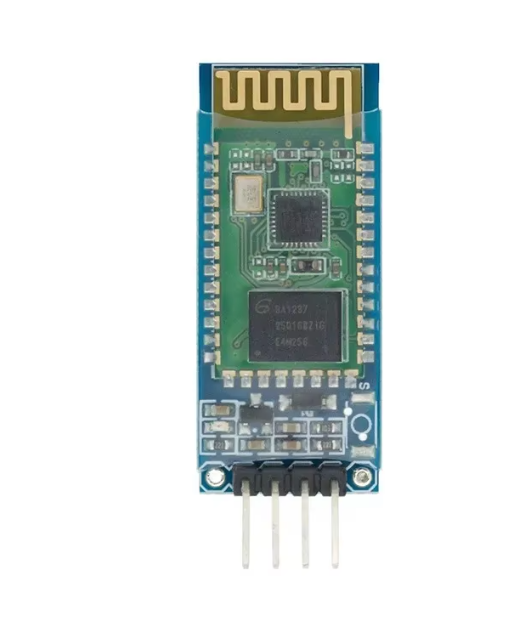
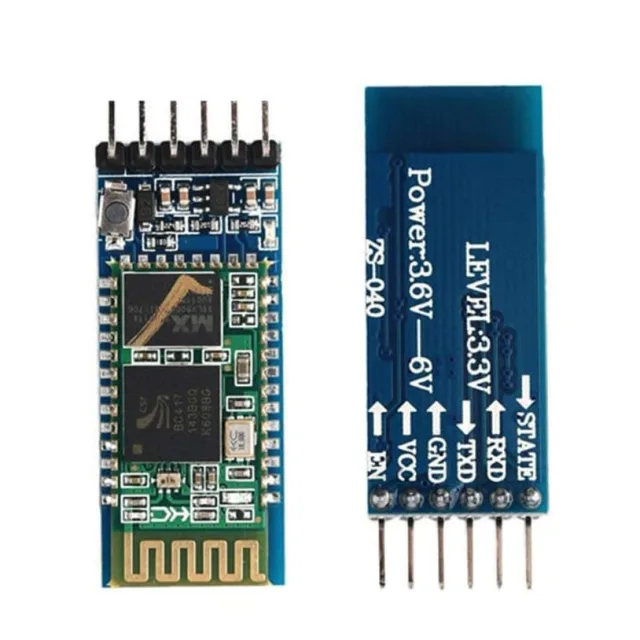
HC-06 Bluetooth Wireless RF Transceiver Module Slave Serial Port TTL to UART Adapter for Arduino ESP32 Raspberry Pi, 3.3V-6V Serial Communication Module
plus AED 20 delivery · free over AED 100
- UAE-wide delivery, 1–2 working days · AED 20 · free on orders AED 100+
- Ships today — order by 3pm
- 7-day returns on unopened items
- SKU
- DIY-00207
- Category
- ESP32 / WiFi Modules
- Min. order
- 1 pc
- Barcode
- DKU-000237
Overview The HC-06 Bluetooth serial module is a compact wireless RF transceiver board built to provide a straightforward “wireless UART cable” for embedded systems. It is commonly used to add Bluetooth-based serial connectivity to microcontroller projects where a wired USB-to-TTL adapter would otherwise be required.
Read the full description ↓Complete the build
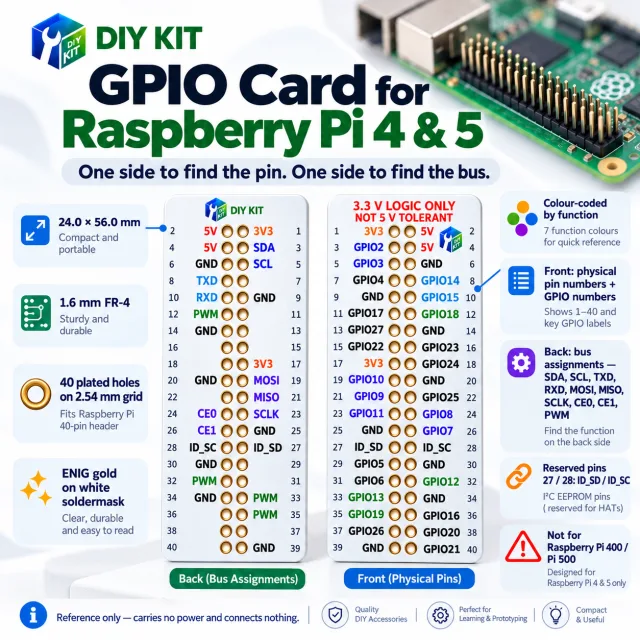
Our own DIYKIT board was made for this — plus what it is usually wired or ordered with.
1x HC-06 Bluetooth UART Module
Description
Overview
The HC-06 Bluetooth serial module is a compact wireless RF transceiver board built to provide a straightforward “wireless UART cable” for embedded systems. It is commonly used to add Bluetooth-based serial connectivity to microcontroller projects where a wired USB-to-TTL adapter would otherwise be required. The HC-06 is typically configured as a Slave device, making it well-suited for pairing with a phone, tablet, PC, or another Bluetooth master that initiates the connection. Once paired, the module bridges data between the Bluetooth link and the UART pins, enabling transparent serial communication for commands, telemetry, configuration menus, and simple data streaming.
Technical Details
This module is designed around a Bluetooth SPP-style serial bridge implementation (exact Bluetooth version/profile behavior can vary by module revision and firmware). In practice, your host controller communicates with the module over UART (TX/RX), and the module handles Bluetooth pairing and link management. Data received over Bluetooth is output on the module’s TXD pin, and data sent into the module’s RXD pin is transmitted wirelessly to the paired device.
Power input is specified as 3.3V–6V for the module board, which typically indicates an onboard regulator on many common breakout versions. However, UART logic levels and pin tolerance can vary by board design. Many HC-06 boards expose 3.3V TTL-level UART signals; some include an RX input divider or partial level shifting, while others do not. For 5V microcontrollers, confirm whether your specific board revision is 5V-tolerant on RXD; when in doubt, use a resistor divider or a proper level shifter to protect the module’s RXD pin. For 3.3V systems (ESP32, many Raspberry Pi UART use cases), direct connection is usually appropriate, but always verify the pinout and logic-level requirements for your exact module.
Configuration is commonly performed using AT commands over UART when the module is not actively connected (exact command set, default baud rate, and supported parameters vary by firmware). Typical configuration tasks include setting the UART baud rate, changing the Bluetooth device name, and adjusting pairing parameters. Because the market includes multiple firmware variants sold under the “HC-06” label, it is recommended to check the datasheet or vendor documentation for your specific module revision.
Specifications
- Module type: Bluetooth UART serial transceiver module (HC-06 class), typically Slave mode
- Supply voltage (board): 3.3V–6V (as provided)
- UART interface: TTL-level TXD/RXD (logic level varies by module revision; commonly 3.3V)
- Configuration: AT commands (availability and command set varies by module revision/firmware; check datasheet)
- Pinout: Typically VCC, GND, TXD, RXD (some boards may include STATE/EN/KEY pads; varies by revision)
- Default UART settings: Varies by module revision/firmware; verify before use
- Bluetooth pairing: Initiated by external master device; pairing code and behavior vary by firmware
Applications
- Wireless serial monitor for Arduino-based projects (sensor readouts, command consoles, configuration)
- ESP32/MCU projects requiring a simple Bluetooth-to-UART bridge without WiFi overhead
- Raspberry Pi UART wireless link for headless setup tools, diagnostics, and lightweight data transfer
- Robotics telemetry and remote parameter tuning (PID values, setpoints, status frames)
- DIY home automation nodes where short-range serial data is sufficient
- Replacing a wired USB-TTL cable for temporary debugging or field configuration
Integration Notes
- Wiring basics: Connect VCC to a stable 3.3V–6V supply (per your board), GND to system ground, TXD to your controller RX, and RXD to your controller TX.
- Logic-level safety: If your controller uses 5V UART, confirm RXD tolerance. If unknown, use a level shifter or a resistor divider on the module RXD line.
- UART port selection: Use a hardware UART where possible for reliable baud rates. On boards with a single UART shared with USB (some Arduino models), consider SoftwareSerial or an alternate UART-capable board.
- Baud rate alignment: Ensure your MCU UART baud matches the module’s configured baud. If communication is garbled, verify baud rate and AT command mode requirements for your firmware.
- Power integrity: Provide clean power and decoupling near the module if installed in a noisy environment (motors, switching regulators). RF performance and link stability can degrade with poor supply quality.
- Antenna clearance: Keep metal objects and high-current wiring away from the antenna area on the module PCB for best range and stability.
Included Components
1x HC-06 Bluetooth UART Module
Specifications
No reviews yet · be the first
Sign in to review a product you have bought - or use the review link in your order email, which needs no account and marks your review as a verified purchase.
Related components
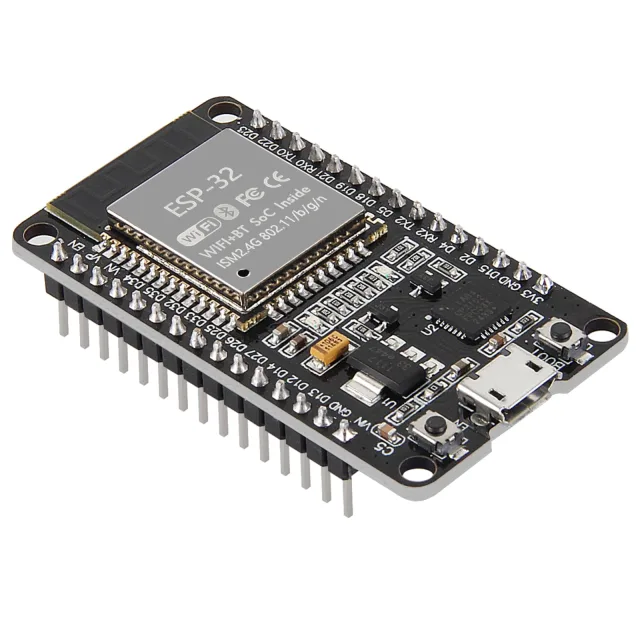
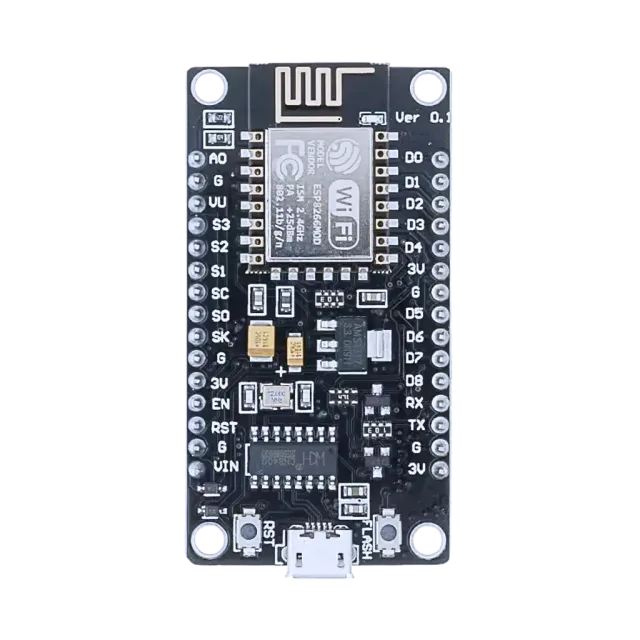
%22%2F%3E%3Cellipse%20cx%3D%2228%22%20cy%3D%2224%22%20rx%3D%2226%22%20ry%3D%2214%22%20fill%3D%22rgba(255%2C255%2C255%2C.18)%22%2F%3E%3Crect%20x%3D%2222%22%20y%3D%2228%22%20width%3D%2256%22%20height%3D%2250%22%20rx%3D%2212%22%20fill%3D%22url(%23b)%22%20filter%3D%22url(%23s)%22%2F%3E%3Cellipse%20cx%3D%2234%22%20cy%3D%2236%22%20rx%3D%2212%22%20ry%3D%226%22%20fill%3D%22rgba(255%2C255%2C255%2C.28)%22%20transform%3D%22rotate(-18%2034%2036)%22%2F%3E%3Crect%20x%3D%2234%22%20y%3D%2215%22%20width%3D%225%22%20height%3D%2214%22%20rx%3D%222.5%22%20fill%3D%22%236ee7b7%22%2F%3E%3Crect%20x%3D%2261%22%20y%3D%2215%22%20width%3D%225%22%20height%3D%2214%22%20rx%3D%222.5%22%20fill%3D%22%236ee7b7%22%2F%3E%3Ccircle%20cx%3D%2236.5%22%20cy%3D%2214%22%20r%3D%224%22%20fill%3D%22%23a7f3d0%22%2F%3E%3Ccircle%20cx%3D%2263.5%22%20cy%3D%2214%22%20r%3D%224%22%20fill%3D%22%23a7f3d0%22%2F%3E%3Crect%20x%3D%2228%22%20y%3D%2242%22%20width%3D%2244%22%20height%3D%2222%22%20rx%3D%226%22%20fill%3D%22%23022c22%22%2F%3E%3Cline%20x1%3D%2228%22%20y1%3D%2250%22%20x2%3D%2272%22%20y2%3D%2250%22%20stroke%3D%22%2334d399%22%20stroke-width%3D%22.8%22%20stroke-opacity%3D%22.5%22%2F%3E%3Cline%20x1%3D%2228%22%20y1%3D%2257%22%20x2%3D%2272%22%20y2%3D%2257%22%20stroke%3D%22%2334d399%22%20stroke-width%3D%22.8%22%20stroke-opacity%3D%22.5%22%2F%3E%3Cline%20x1%3D%2244%22%20y1%3D%2242%22%20x2%3D%2244%22%20y2%3D%2264%22%20stroke%3D%22%2334d399%22%20stroke-width%3D%22.8%22%20stroke-opacity%3D%22.5%22%2F%3E%3Cline%20x1%3D%2256%22%20y1%3D%2242%22%20x2%3D%2256%22%20y2%3D%2264%22%20stroke%3D%22%2334d399%22%20stroke-width%3D%22.8%22%20stroke-opacity%3D%22.5%22%2F%3E%3Ccircle%20cx%3D%2238%22%20cy%3D%2252%22%20r%3D%226%22%20fill%3D%22%2334d399%22%20opacity%3D%22.9%22%2F%3E%3Ccircle%20cx%3D%2262%22%20cy%3D%2252%22%20r%3D%226%22%20fill%3D%22%2334d399%22%20opacity%3D%22.9%22%2F%3E%3Ccircle%20cx%3D%2236.5%22%20cy%3D%2250.5%22%20r%3D%222%22%20fill%3D%22white%22%2F%3E%3Ccircle%20cx%3D%2260.5%22%20cy%3D%2250.5%22%20r%3D%222%22%20fill%3D%22white%22%2F%3E%3Cpath%20d%3D%22M36%2068%20Q50%2076%2064%2068%22%20fill%3D%22none%22%20stroke%3D%22%23022c22%22%20stroke-width%3D%222.5%22%20stroke-linecap%3D%22round%22%2F%3E%3C%2Fsvg%3E)