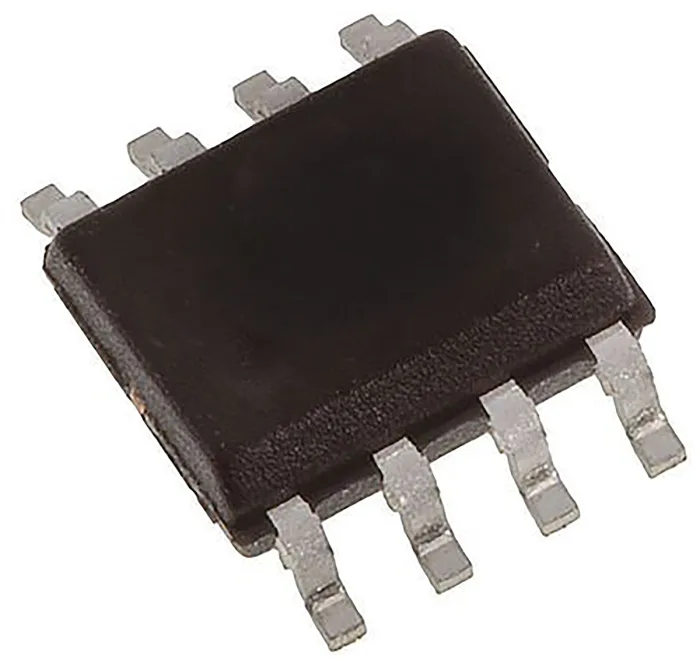
SMDA15C.TBT 4-Channel Bidirectional TVS Diode Array - Surface Mount Transient Voltage Suppression for High-Speed Data Lines and ESD Protection
- UAE-wide delivery, 1–3 working days · free on orders AED 150+
- Ships today for orders before 3pm
- 7-day returns on unopened items
- SKU
- DIY-356
- Category
- Components
- Min. order
- 1 pc
- Barcode
- DKU-000409
Overview The SMDA15C.TBT 4-channel, bidirectional Transient Voltage Suppression (TVS) diode array is an essential semiconductor component engineered to provide robust circuit protection against electrostatic discharge (ESD), electrical fast transients (EFT), and lightning surges.
Read the full description ↓1x SMDA15C.TBT 4-Channel Bidirectional TVS Diode Array Surface Mount IC
Description
Overview
The SMDA15C.TBT 4-channel, bidirectional Transient Voltage Suppression (TVS) diode array is an essential semiconductor component engineered to provide robust circuit protection against electrostatic discharge (ESD), electrical fast transients (EFT), and lightning surges. Designed specifically for safeguarding sensitive semiconductor devices connected to data and transmission lines, this high-performance TVS diode array absorbs high-energy transient spikes, preventing catastrophic failure and ensuring long-term system reliability. Whether you are designing industrial automation hardware, telecommunications infrastructure, or consumer electronic interfaces, integrating reliable transient suppression is critical for meeting regulatory compliance and preventing field failures.
Technical Details
Engineered with precision semiconductor architecture, the SMDA15C.TBT utilizes specialized silicon avalanche diode technology configured to handle bidirectional transient threats across four independent channels. Bidirectional protection makes this array exceptionally versatile, allowing it to clamp both positive and negative voltage spikes on alternating current or differential signal lines without the need for additional biasing components. The device boasts a remarkably fast response time, clamping incoming overvoltage transients within picoseconds of the event occurrence. This rapid reaction effectively limits the maximum voltage stress experienced by downstream integrated circuits, keeping transient voltages well below destructive thresholds. Furthermore, the low dynamic impedance of the diode array ensures efficient clamping performance even under high surge current conditions.
Specifications
The SMDA15C.TBT operates with specific electrical characteristics designed to balance robust surge capability with minimal signal disruption. The reverse standoff voltage is rated at 15 volts, making it well-suited for standard 12V and 15V logic and interface systems. The breakdown voltage and clamping voltage profiles are optimized to ensure safe operation while maintaining compatibility with standard operating voltages. Capacitance is maintained at a low level to preserve signal integrity on high-speed data buses, reducing insertion loss and preventing data corruption. Power dissipation ratings allow the component to handle repetitive transient pulses safely within specified thermal limits. The surface-mount SO-8 package facilitates automated pick-and-place manufacturing processes, ensuring consistent solder joint reliability and mechanical stability across high-volume production runs.
Applications
This bidirectional TVS diode array finds widespread utility across a diverse range of electronic engineering applications. It is frequently deployed in RS-422 and RS-485 communication ports, local area network equipment, video signal lines, and microcontroller input-output protection nodes. In computing environments, it protects USB interfaces, FireWire ports, and peripheral data lines from user-generated ESD events. Industrial control systems utilize the SMDA15C.TBT to protect sensor inputs and communication bus lines from severe electrical noise and induced transients generated by heavy machinery and switching relays. Automotive infotainment systems and auxiliary electronic modules also benefit from the robust transient suppression capabilities of this versatile diode array.
Integration Notes
Proper printed circuit board layout is critical when integrating the SMDA15C.TBT to maximize transient suppression efficacy. Designers should position the TVS diode array as close as possible to the physical connector or entry point of the transient threat. Trace lengths between the protected signal line and the diode pins should be kept minimal to reduce parasitic inductance, which can otherwise compromise clamping performance. A low-impedance ground plane is essential for shunting surge currents away from sensitive circuitry effectively. Ensure that thermal relief guidelines are followed during the soldering process to prevent component stress, and always consult the official manufacturer datasheet for specific thermal derating curves and layout recommendations tailored to your exact application requirements.
Included Components
1x SMDA15C.TBT 4-Channel Bidirectional TVS Diode Array Surface Mount IC
Specifications
Related components