Orientation Calibration Study - extension
Compare different stable startup positions and sensor mounting directions to learn how the baseline gravity vector affects tilt angle. Physical calibration and a rigid non-person mount are required.
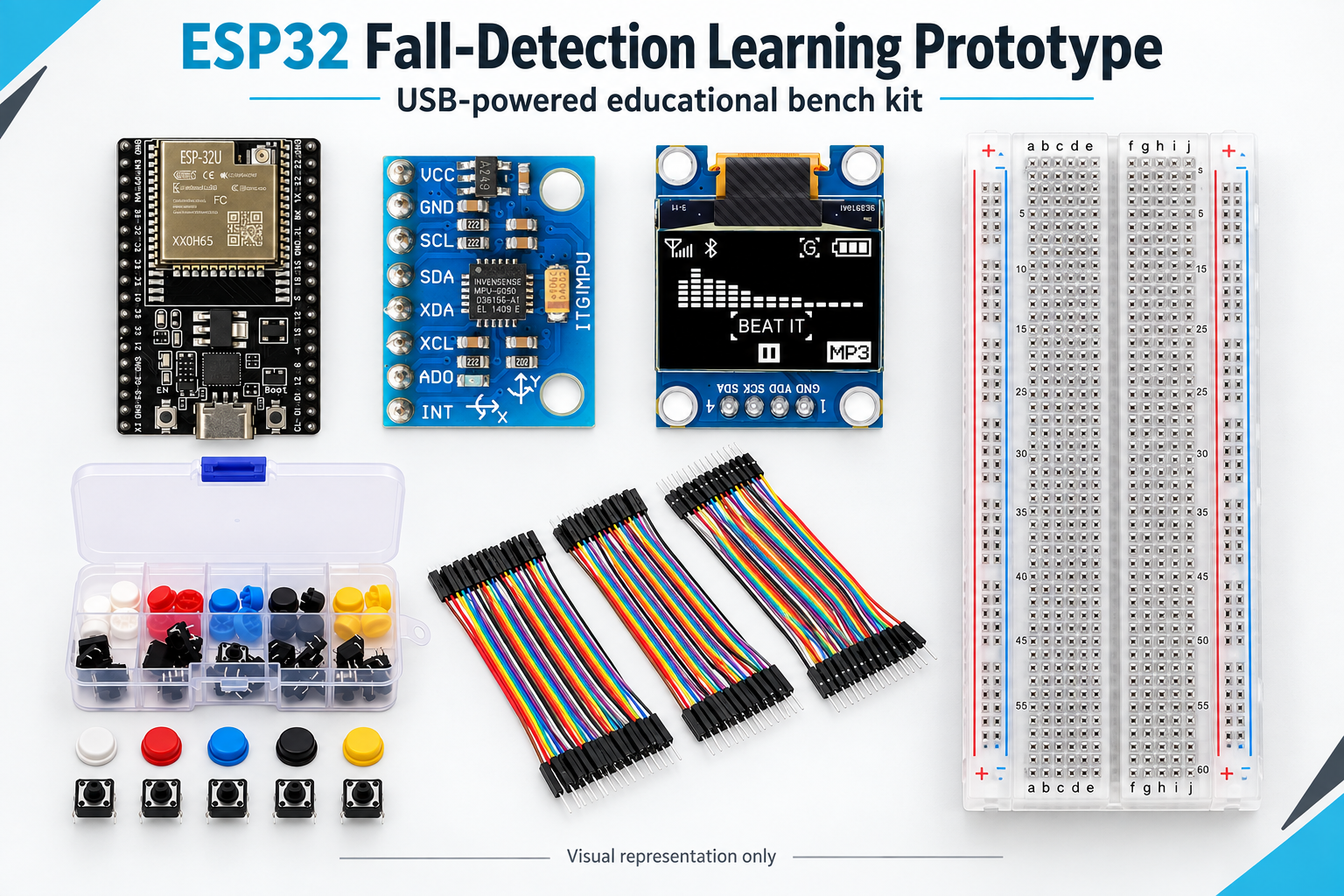
What you build in this project
Orientation Calibration Study - extension is one focused build from the ESP32 Fall-Detection Learning Prototype. It uses the parts listed below to make a working electronics example, then you can combine it with the other projects in the kit.
Compare different stable startup positions and sensor mounting directions to learn how the baseline gravity vector affects tilt angle. Physical calibration and a rigid non-person mount are required.
Parts used
ESP32U, GY-521, DIY-003 OLED, DIY-212 jumper pack, DIY-295 breadboard
What to check
Wire the parts, upload the sketch from the kit page, then test this project by watching the Serial Monitor or the output behavior.
What you learn
You learn how the controller reads real sensor signals, makes a decision in code, and turns that result into a useful output.
What this project uses
Every item is in the kit — nothing extra to buy.
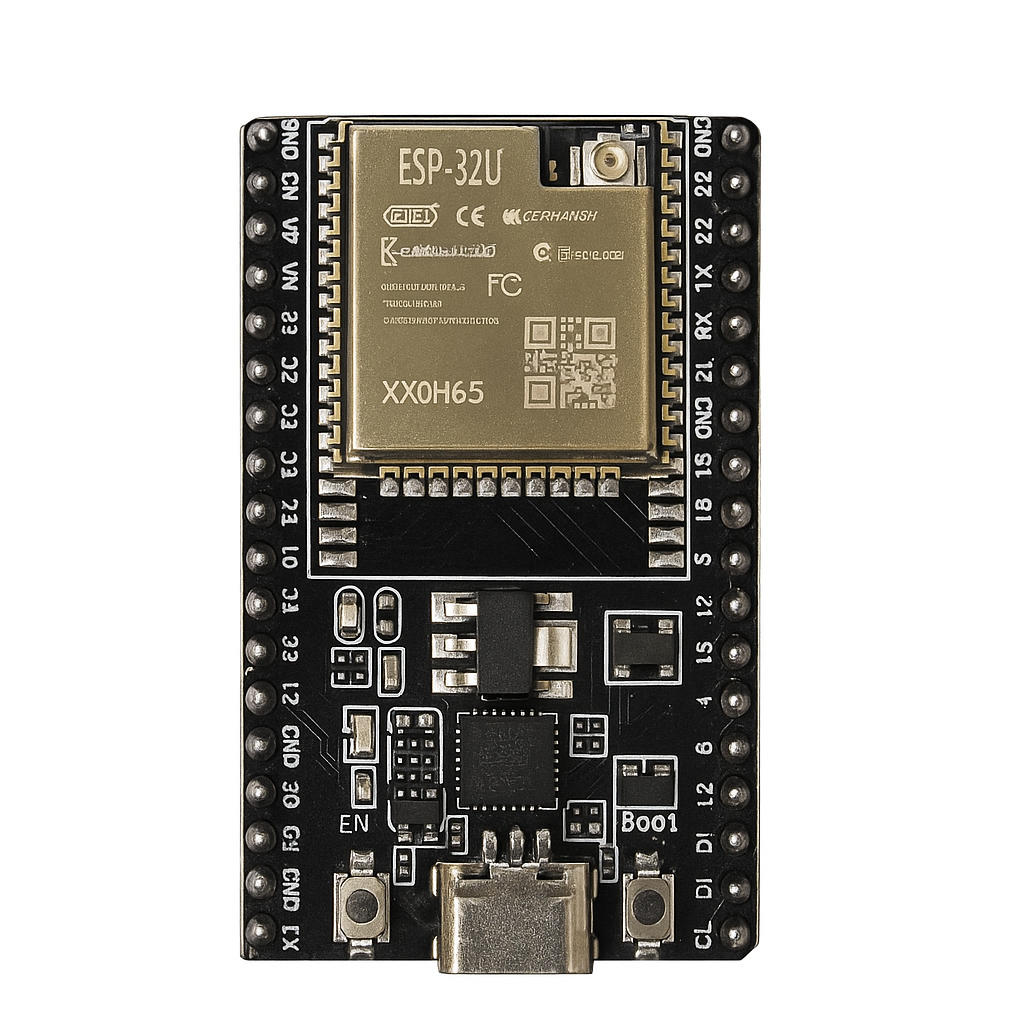
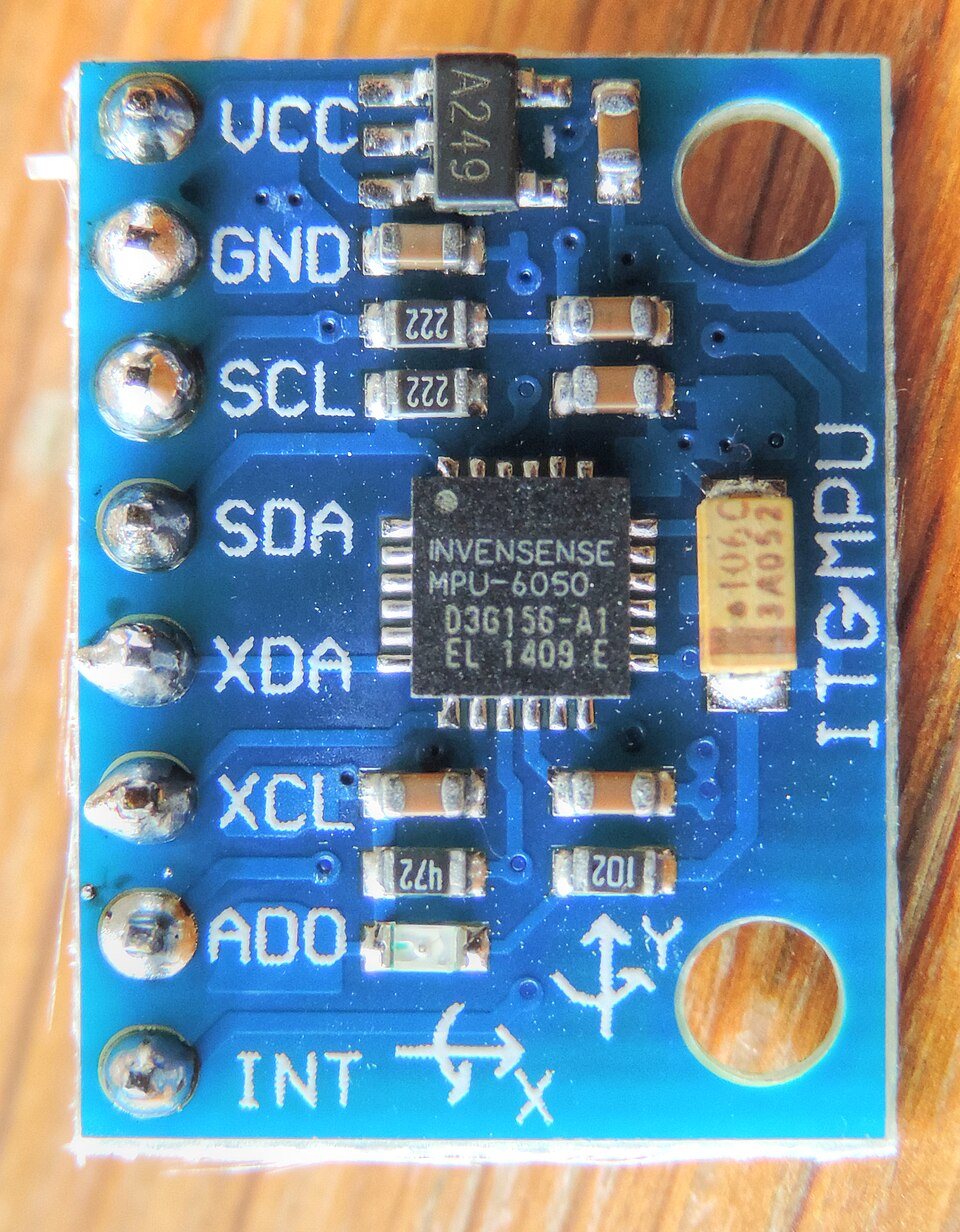
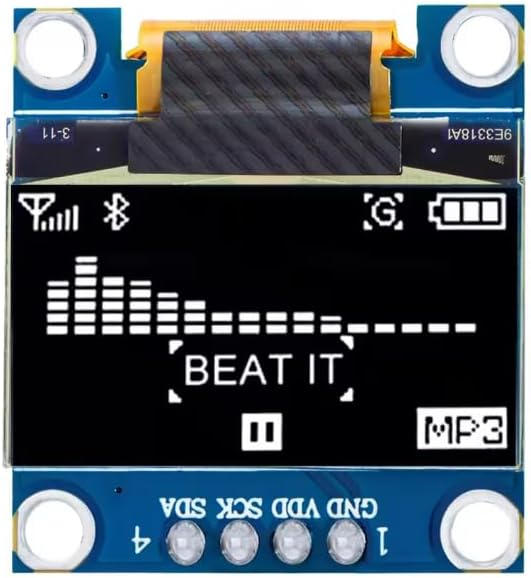
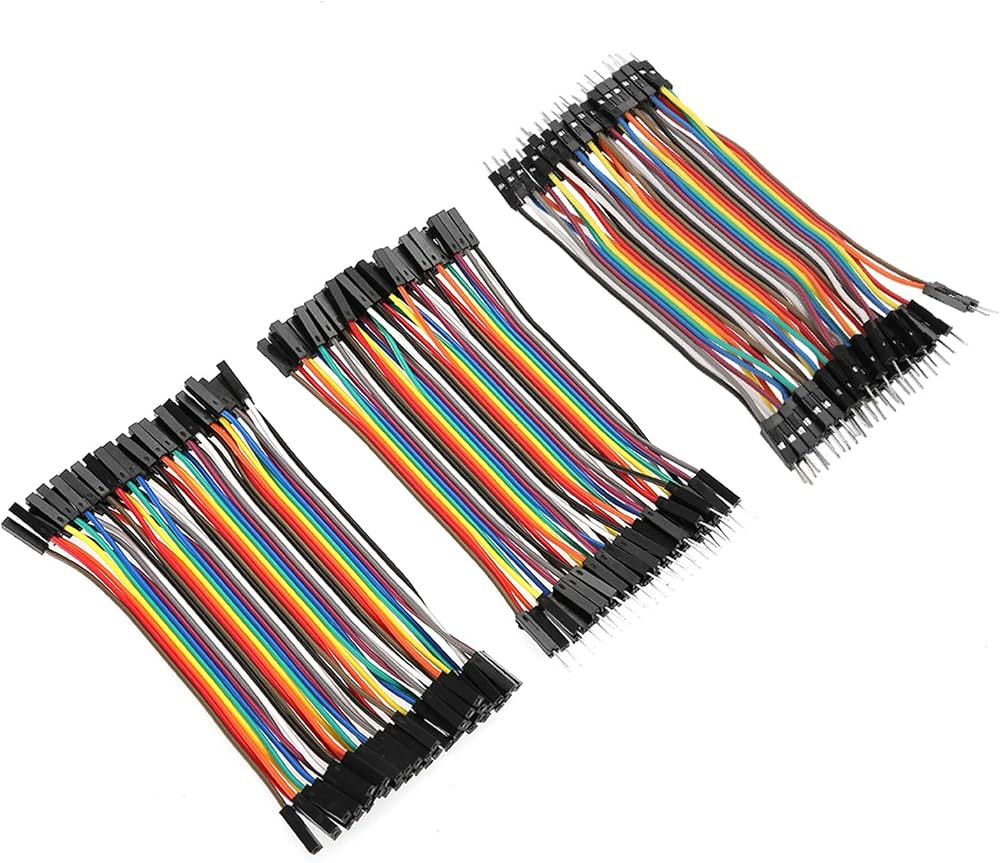
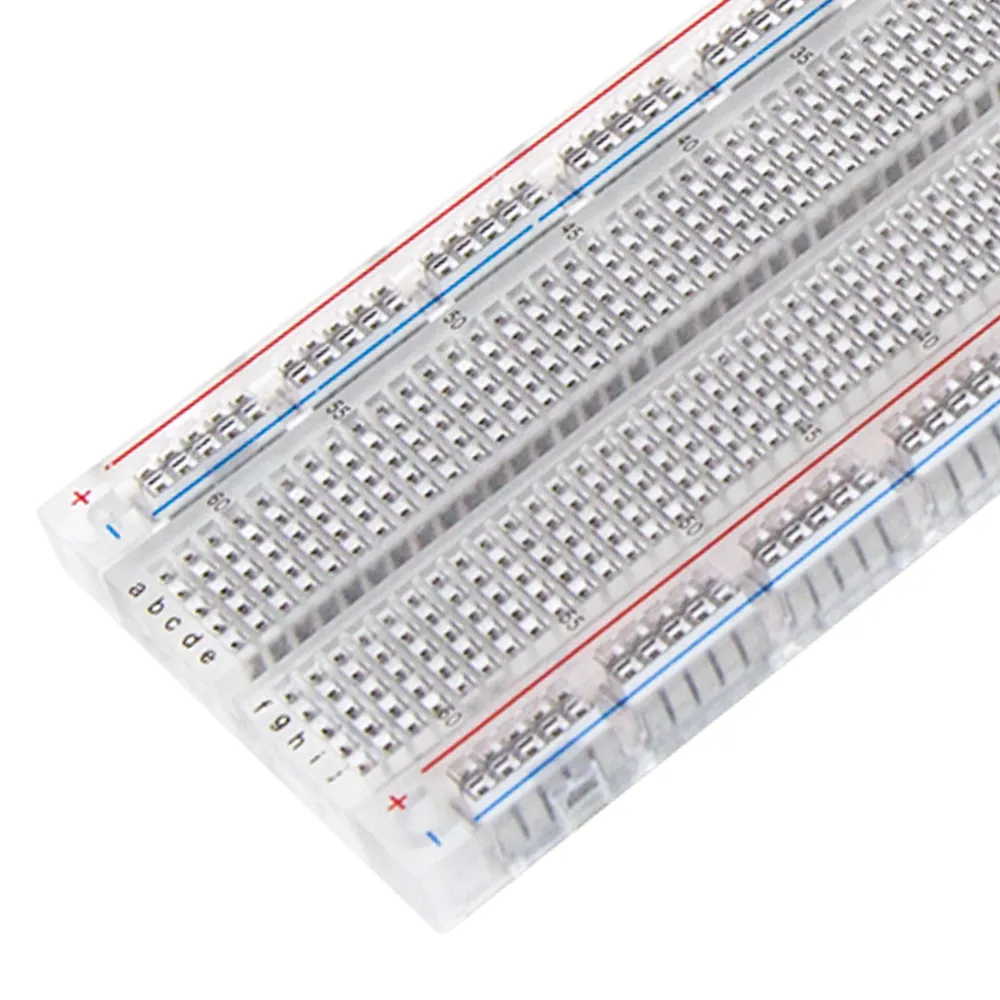
ESP32 Fall-Detection Learning Prototype
All 7 parts in one box, with this project and 5 more to build from them.
Need only these parts? Order them loose · from AED 115.07
One of each part. Packs (resistor assortment, jumper wires) already hold more than a single build needs. Delivery is AED 20, free on orders AED 150+.
More from this kit
Fall-Detection Learning Prototype - main documented project
Reads acceleration and orientation relative to a startup baseline. A high- or low-acceleration event followed by sustained tilt starts a local 20-second countdown; the b…
Button and OLED Countdown Lab - supported diagnostic
Set FALL_DIAGNOSTIC=true to start the countdown from the button without moving the sensor. Check display states, debounce, countdown timing and cancellation, then restor…
Motion Threshold Data Lab - extension
Observe acceleration magnitude and orientation changes for controlled padded-bench motions. Record results before changing any thresholds; a separate logging sketch is r…