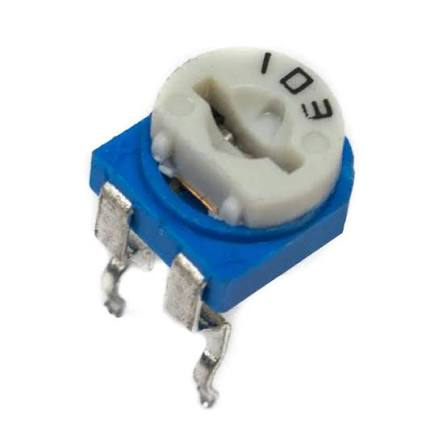
10K Ohm Rotary Potentiometer PCB Type - 3-Pin Variable Resistor for Arduino Analog Input & DIY Electronics
from AED 1.43 each in a pack of 20
plus AED 20 delivery · free over AED 100
Pack pricing applies automatically in the cart. Schools and robotics teams — sales@diykit.ae for institutional terms.
- UAE-wide delivery, 1–2 working days · AED 20 · free on orders AED 100+
- Ships today — order by 3pm
- 7-day returns on unopened items
- SKU
- DIY-220
- Category
- Components
- Brand / MPN
- DIYKIT
- Min. order
- 1 pc
- Barcode
- DKU-000251
Overview The 10K Ohm Rotary Potentiometer PCB Type is an essential analog input component for makers, engineers, and electronics enthusiasts. Serving as the undisputed standard for variable resistance in DIY circuits, this three-pin potentiometer allows you to easily translate physical mechanical rotation into variable voltage levels.
Read the full description ↓Complete the build
The parts this one is wired with in our kits — have them on the bench before you start.
 In Stock
Used in these kits and projects
- Lesson 1: LED Basics & Brightness Beginner
- Lesson 5: Servo & Knob Beginner
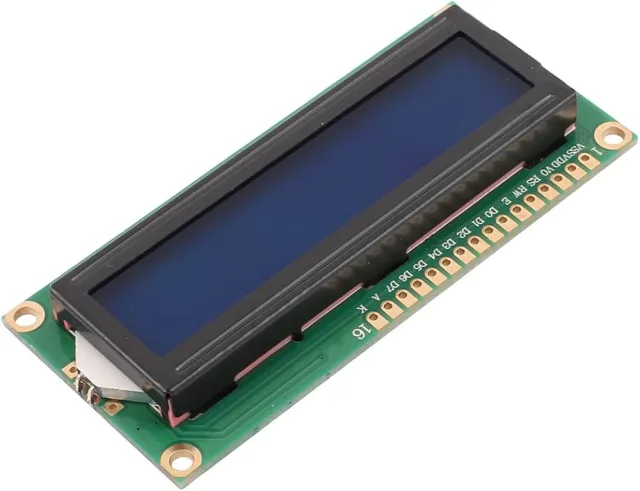
- Lesson 6: LCD Display Beginner
- Lesson 7: Parking Assistant & Sensor Dashboard Beginner
1x 10K Ohm Rotary Potentiometer PCB Type
Description
Overview
The 10K Ohm Rotary Potentiometer PCB Type is an essential analog input component for makers, engineers, and electronics enthusiasts. Serving as the undisputed standard for variable resistance in DIY circuits, this three-pin potentiometer allows you to easily translate physical mechanical rotation into variable voltage levels. Whether you are building an educational breadboard project, prototyping a custom control interface, or designing a permanent PCB assembly, this component delivers reliable performance for reading analog signals via microcontroller pins.
Technical Details
Operating on a simple yet effective resistive divider principle, the potentiometer features a resistive track with a movable wiper contact linked to the center shaft. When connected across a power rail and ground, turning the knob alters the voltage output at the wiper pin. This voltage can be measured directly by analog-to-digital converters found on development boards. The PCB-friendly pin configuration ensures secure mechanical mounting and electrical connection, minimizing strain on breadboard tracks and enabling robust integration into custom circuit boards.
Specifications
This rotary potentiometer features a nominal total resistance of 10K ohms, which represents the optimal balance for low power consumption and stable analog voltage division. The device features three distinct connection pins arranged for standard through-hole mounting or direct insertion into solderless breadboards. The mechanical rotational lifespan varies by module revision, but the component is designed for thousands of smooth cycles. Operating tolerances and precise linear or logarithmic taper curves follow standard commercial electronics component guidelines, ensuring predictable behavior in voltage divider and signal attenuation tasks.
Applications
This versatile component finds a home in countless electronic circuits and systems. Common applications include setting volume levels in audio amplifiers, dimming LED brightness via PWM generation circuits, adjusting the contrast on alphanumeric character LCD modules, and tuning threshold values in sensor trigger circuits. It is also an indispensable teaching tool for educators demonstrating the principles of voltage dividers, analog-to-digital conversion, and sensor interfacing.
Integration Notes
Integrating this potentiometer into your project is straightforward. Wire the two outer pins across your power source and ground rail respectively, and connect the center wiper pin to any analog input pin on your microcontroller. Ensure that your circuit design respects maximum power dissipation ratings. For clean analog readings, consider implementing software debouncing or moving average filters in your code to mitigate any minor electrical noise introduced during rapid physical rotation of the knob.
Included Components
1x 10K Ohm Rotary Potentiometer PCB Type
Specifications
No reviews yet · be the first
Sign in to review a product you have bought - or use the review link in your order email, which needs no account and marks your review as a verified purchase.
Related components
 In Stock
 In Stock
%22%2F%3E%3Cellipse%20cx%3D%2228%22%20cy%3D%2224%22%20rx%3D%2226%22%20ry%3D%2214%22%20fill%3D%22rgba(255%2C255%2C255%2C.18)%22%2F%3E%3Crect%20x%3D%2222%22%20y%3D%2228%22%20width%3D%2256%22%20height%3D%2250%22%20rx%3D%2212%22%20fill%3D%22url(%23b)%22%20filter%3D%22url(%23s)%22%2F%3E%3Cellipse%20cx%3D%2234%22%20cy%3D%2236%22%20rx%3D%2212%22%20ry%3D%226%22%20fill%3D%22rgba(255%2C255%2C255%2C.28)%22%20transform%3D%22rotate(-18%2034%2036)%22%2F%3E%3Crect%20x%3D%2234%22%20y%3D%2215%22%20width%3D%225%22%20height%3D%2214%22%20rx%3D%222.5%22%20fill%3D%22%236ee7b7%22%2F%3E%3Crect%20x%3D%2261%22%20y%3D%2215%22%20width%3D%225%22%20height%3D%2214%22%20rx%3D%222.5%22%20fill%3D%22%236ee7b7%22%2F%3E%3Ccircle%20cx%3D%2236.5%22%20cy%3D%2214%22%20r%3D%224%22%20fill%3D%22%23a7f3d0%22%2F%3E%3Ccircle%20cx%3D%2263.5%22%20cy%3D%2214%22%20r%3D%224%22%20fill%3D%22%23a7f3d0%22%2F%3E%3Crect%20x%3D%2228%22%20y%3D%2242%22%20width%3D%2244%22%20height%3D%2222%22%20rx%3D%226%22%20fill%3D%22%23022c22%22%2F%3E%3Cline%20x1%3D%2228%22%20y1%3D%2250%22%20x2%3D%2272%22%20y2%3D%2250%22%20stroke%3D%22%2334d399%22%20stroke-width%3D%22.8%22%20stroke-opacity%3D%22.5%22%2F%3E%3Cline%20x1%3D%2228%22%20y1%3D%2257%22%20x2%3D%2272%22%20y2%3D%2257%22%20stroke%3D%22%2334d399%22%20stroke-width%3D%22.8%22%20stroke-opacity%3D%22.5%22%2F%3E%3Cline%20x1%3D%2244%22%20y1%3D%2242%22%20x2%3D%2244%22%20y2%3D%2264%22%20stroke%3D%22%2334d399%22%20stroke-width%3D%22.8%22%20stroke-opacity%3D%22.5%22%2F%3E%3Cline%20x1%3D%2256%22%20y1%3D%2242%22%20x2%3D%2256%22%20y2%3D%2264%22%20stroke%3D%22%2334d399%22%20stroke-width%3D%22.8%22%20stroke-opacity%3D%22.5%22%2F%3E%3Ccircle%20cx%3D%2238%22%20cy%3D%2252%22%20r%3D%226%22%20fill%3D%22%2334d399%22%20opacity%3D%22.9%22%2F%3E%3Ccircle%20cx%3D%2262%22%20cy%3D%2252%22%20r%3D%226%22%20fill%3D%22%2334d399%22%20opacity%3D%22.9%22%2F%3E%3Ccircle%20cx%3D%2236.5%22%20cy%3D%2250.5%22%20r%3D%222%22%20fill%3D%22white%22%2F%3E%3Ccircle%20cx%3D%2260.5%22%20cy%3D%2250.5%22%20r%3D%222%22%20fill%3D%22white%22%2F%3E%3Cpath%20d%3D%22M36%2068%20Q50%2076%2064%2068%22%20fill%3D%22none%22%20stroke%3D%22%23022c22%22%20stroke-width%3D%222.5%22%20stroke-linecap%3D%22round%22%2F%3E%3C%2Fsvg%3E)