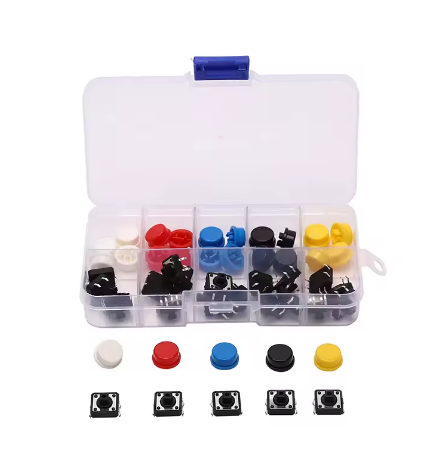
Tactile Microswitch Kit 25pcs 12x12x7.3mm Momentary Push Button Switches with Assorted Coloured Caps, Through-Hole 4-Pin PCB Tact Switch Set with Storage Box for DIY Electronics
plus AED 20 delivery · free over AED 100
- UAE-wide delivery, 1–2 working days · AED 20 · free on orders AED 100+
- Ships today — order by 3pm
- 7-day returns on unopened items
- SKU
- DIY-158
- Category
- Tools & Soldering
- Min. order
- 1 pc
- Barcode
- DKU-000075
Overview This 25pcs tactile microswitch kit is designed for makers, technicians, and DIY electronics builders who need reliable, compact momentary push buttons in a common 12x12mm footprint.
Read the full description ↓Complete the build
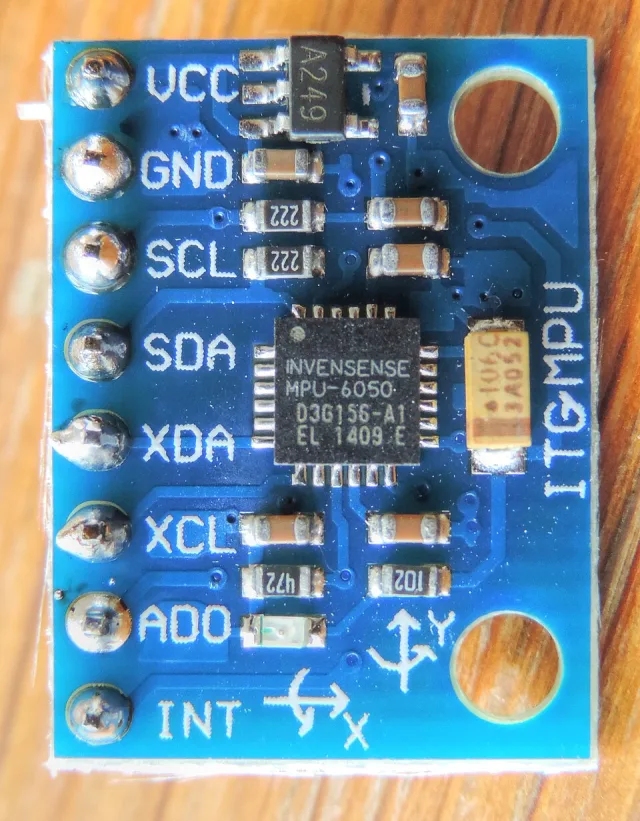
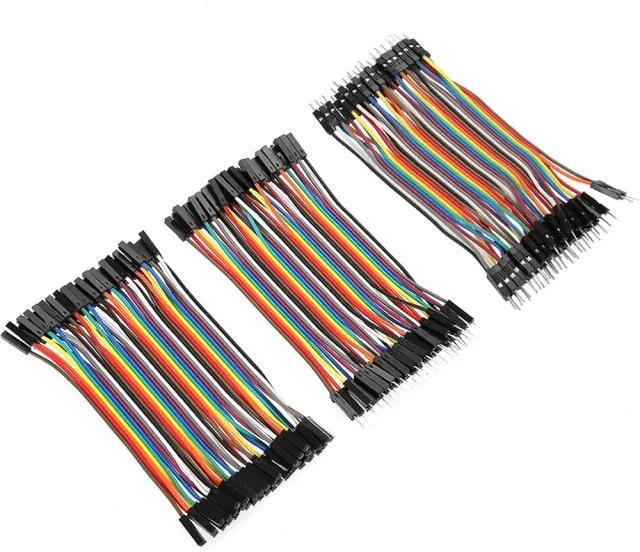
Our own DIYKIT board was made for this — plus what it is usually wired or ordered with.
 Backorder
Used in these kits and projects
- Lesson 1: Button & OLED Countdown Beginner
- Lesson 2: Tilt Angle from a Baseline Beginner
- Lesson 3: Motion Data Lab Intermediate
- Lesson 4: Buzzer Alert Beginner
- Lesson 5: Fall-Detection Learning Prototype Intermediate
25pcs tactile microswitches, coloured button caps, storage box
Description
Overview
This 25pcs tactile microswitch kit is designed for makers, technicians, and DIY electronics builders who need reliable, compact momentary push buttons in a common 12x12mm footprint. Each switch body measures 12x12x7.3mm, making it a practical choice for dense PCBs, front-panel controls, and prototype boards where consistent sizing matters. The kit includes assorted coloured button caps to help you quickly distinguish functions (for example: reset vs. mode vs. select) and a storage box to keep all 25pcs organized for workshops, classrooms, and field service.
Tactile switches (often called “tact switches”) provide a distinct click feel when pressed, giving the user clear feedback without requiring a large actuator. These are momentary switches, meaning the contacts change state only while the button is pressed and return to the default state when released. This behavior is commonly used for microcontroller inputs, reset lines, menu navigation, and triggering events during testing and calibration.
Technical Details
The 12x12mm tactile microswitch format typically uses a 4-pin through-hole arrangement where the pins are internally paired (two pins on one side are connected together, and the two pins on the opposite side are connected together). In most designs, you use one pin from each side as the two terminals of the switch. When the button is not pressed, the two sides are electrically isolated; when pressed, the switch closes the circuit between the sides. This paired-pin structure improves mechanical stability on the PCB and simplifies routing.
For microcontroller projects, these switches are commonly wired to a GPIO input with a pull-up or pull-down resistor (either external or enabled internally in firmware). Because mechanical contacts can “bounce” when pressed or released, many applications implement debouncing in software (timing filter) or hardware (RC network / Schmitt trigger input) to ensure a clean, single transition per press. If you are using the switch for reset, ensure the reset circuit follows your MCU vendor’s recommended pull-up, capacitor, and ESD practices.
Specifications
- Kit quantity: 25 pcs tactile microswitches + coloured button caps (assorted)
- Switch type: Tactile, momentary (non-latching) push button
- Body size: 12 x 12 x 7.3 mm (as provided)
- Mounting: Through-hole PCB (THT), 4-pin mechanical layout (typical paired terminals; confirm with multimeter if needed)
- Electrical ratings: Not specified; varies by switch revision/manufacturer—check datasheet or seller batch marking before use in high-current/high-voltage circuits
- Contact configuration: Typically SPST-NO (normally open) momentary; verify continuity behavior before final assembly
- Operating force / travel / lifecycle: Not specified; varies by revision—check datasheet if your design requires a specific actuation force or endurance
- Colour caps: Assorted colours (exact colours/quantities may vary by kit batch)
Applications
- Arduino, ESP32, Raspberry Pi GPIO input buttons (with proper pull-up/pull-down and debouncing)
- Reset and boot buttons for development boards, custom PCBs, and embedded devices
- User interface keys for small instruments, controllers, and DIY control panels
- Test fixtures and jigs for triggering measurement sequences or marking pass/fail events
- Repair and replacement for compatible 12x12mm tact switches in consumer electronics (confirm height and pin spacing)
Integration Notes
- Pin identification: Because pins are commonly paired, use a multimeter continuity test to identify which pins are connected together before wiring.
- Debounce: Implement software debounce (e.g., 10–50 ms) or hardware debounce depending on your input requirements.
- PCB fit: Confirm the 12x12mm footprint and 7.3mm height clearance with your enclosure/panel design, especially when using button caps.
- Current/voltage: Use within the switch’s rated limits; avoid switching inductive loads directly. For relays/motors, use proper driver circuitry.
- ESD/handling: For sensitive electronics, follow ESD-safe handling and keep the kit stored in the included box to reduce contamination and mechanical damage.
Included Components
25pcs tactile microswitches, coloured button caps, storage box
Specifications
No reviews yet · be the first
Sign in to review a product you have bought - or use the review link in your order email, which needs no account and marks your review as a verified purchase.
Related components