 Backorder
Wii Nunchuck Adapter Module Board 2pcs, WiiChuck Interface Breakout for Arduino & Compatible, I2C Controller Connector to 2.54mm Header, DIY Motion Joystick Accessory
- UAE-wide delivery, 1–2 working days once dispatched · AED 20 · free on orders AED 100+
- Backorder — ordered in for you, ships when it arrives
- 7-day returns on unopened items
- SKU
- DIY-00059
- Category
- Arduino and Raspberry Accessories & Modules
- Min. order
- 1 pc
- Barcode
- DKU-000096
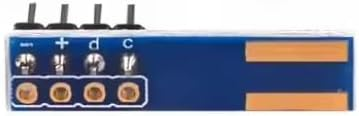
Overview This 2-piece Wii Nunchuck adapter module set (often called a “WiiChuck interface”) is designed to make it easy to connect a Wii Nunchuck-style controller to common development boards and embedded systems.
Read the full description ↓2pcs Wii Nunchuck Adapter Module Boards
Description
Overview
This 2-piece Wii Nunchuck adapter module set (often called a “WiiChuck interface”) is designed to make it easy to connect a Wii Nunchuck-style controller to common development boards and embedded systems. The module breaks out the Nunchuck connector to a simple 2.54mm pin header/pads, enabling fast prototyping on breadboards, perfboard, or custom wiring looms. With the correct firmware on your microcontroller, you can read joystick movement, button presses, and motion/acceleration data from compatible Nunchuck controllers and use that input for robotics, interactive projects, and custom control panels.
Technical Details
Wii Nunchuck controllers communicate using an I2C-compatible serial interface. This adapter module is a passive interface/breakout board that routes the connector pins to accessible solder pads and/or header pins. Typical Nunchuck wiring uses power (VCC), ground (GND), and I2C signals (SDA and SCL). Some module revisions may also expose additional pads or mechanical anchor points depending on the PCB layout.
Because Nunchuck variants and clones can differ, electrical requirements such as operating voltage and pull-up resistor needs may vary by controller and module revision. Many microcontroller platforms already include I2C pull-ups on-board; if your readings are unstable, verify whether external pull-ups are required and confirm the correct voltage level for the specific controller you are using. For best reliability, keep SDA/SCL wiring short, use a solid ground reference, and avoid routing I2C lines near high-noise sources (motors, switching regulators) without proper filtering and layout practices.
Specifications
- Pack quantity: 2 adapter modules (2pcs)
- Interface type: I2C (SDA/SCL) via Wii Nunchuck-style connector
- Breakout pitch: 2.54mm (0.1 inch) header/pad spacing (typical for breadboards)
- Supported controllers: Wii Nunchuck-style controllers (original and compatible clones; behavior may vary)
- Logic level / supply requirements: depends on controller type and module/controller revision; verify with your controller datasheet or known-good reference
- On-board components: primarily a connector breakout; any resistors/components present vary by module revision (check your board markings)
- PCB color/finish: varies by batch/revision
Applications
Use these 2pcs adapter modules to add human input and motion sensing to DIY electronics projects, including:
- Robotics control (joystick steering, speed control, mode switching)
- Motion-reactive builds (tilt/gesture input using accelerometer data)
- Arduino & compatible game controllers and USB HID projects (with appropriate firmware)
- Educational I2C demonstrations and sensor interfacing labs
- Custom control panels for RC, animatronics, and interactive art installations
Integration Notes
1) Identify pins on your module (commonly VCC, GND, SDA, SCL). Pin labeling and order can vary—confirm before powering.
2) Connect to your microcontroller’s I2C pins (SDA/SCL) and a stable supply rail suitable for your controller.
3) If using a 5V microcontroller, confirm whether your Nunchuck/controller expects 3.3V logic; use level shifting if required.
4) Ensure I2C pull-ups are present (either on the controller, on the microcontroller board, or added externally) as needed.
5) Use an I2C scanner sketch/tool to confirm device presence and address behavior (varies by controller implementation).
Included Components
2pcs Wii Nunchuck Adapter Module Boards
Specifications
No reviews yet · be the first
Sign in to review a product you have bought - or use the review link in your order email, which needs no account and marks your review as a verified purchase.
Related components
 Backorder
%22%2F%3E%3Cellipse%20cx%3D%2228%22%20cy%3D%2224%22%20rx%3D%2226%22%20ry%3D%2214%22%20fill%3D%22rgba(255%2C255%2C255%2C.18)%22%2F%3E%3Crect%20x%3D%2222%22%20y%3D%2228%22%20width%3D%2256%22%20height%3D%2250%22%20rx%3D%2212%22%20fill%3D%22url(%23b)%22%20filter%3D%22url(%23s)%22%2F%3E%3Cellipse%20cx%3D%2234%22%20cy%3D%2236%22%20rx%3D%2212%22%20ry%3D%226%22%20fill%3D%22rgba(255%2C255%2C255%2C.28)%22%20transform%3D%22rotate(-18%2034%2036)%22%2F%3E%3Crect%20x%3D%2234%22%20y%3D%2215%22%20width%3D%225%22%20height%3D%2214%22%20rx%3D%222.5%22%20fill%3D%22%236ee7b7%22%2F%3E%3Crect%20x%3D%2261%22%20y%3D%2215%22%20width%3D%225%22%20height%3D%2214%22%20rx%3D%222.5%22%20fill%3D%22%236ee7b7%22%2F%3E%3Ccircle%20cx%3D%2236.5%22%20cy%3D%2214%22%20r%3D%224%22%20fill%3D%22%23a7f3d0%22%2F%3E%3Ccircle%20cx%3D%2263.5%22%20cy%3D%2214%22%20r%3D%224%22%20fill%3D%22%23a7f3d0%22%2F%3E%3Crect%20x%3D%2228%22%20y%3D%2242%22%20width%3D%2244%22%20height%3D%2222%22%20rx%3D%226%22%20fill%3D%22%23022c22%22%2F%3E%3Cline%20x1%3D%2228%22%20y1%3D%2250%22%20x2%3D%2272%22%20y2%3D%2250%22%20stroke%3D%22%2334d399%22%20stroke-width%3D%22.8%22%20stroke-opacity%3D%22.5%22%2F%3E%3Cline%20x1%3D%2228%22%20y1%3D%2257%22%20x2%3D%2272%22%20y2%3D%2257%22%20stroke%3D%22%2334d399%22%20stroke-width%3D%22.8%22%20stroke-opacity%3D%22.5%22%2F%3E%3Cline%20x1%3D%2244%22%20y1%3D%2242%22%20x2%3D%2244%22%20y2%3D%2264%22%20stroke%3D%22%2334d399%22%20stroke-width%3D%22.8%22%20stroke-opacity%3D%22.5%22%2F%3E%3Cline%20x1%3D%2256%22%20y1%3D%2242%22%20x2%3D%2256%22%20y2%3D%2264%22%20stroke%3D%22%2334d399%22%20stroke-width%3D%22.8%22%20stroke-opacity%3D%22.5%22%2F%3E%3Ccircle%20cx%3D%2238%22%20cy%3D%2252%22%20r%3D%226%22%20fill%3D%22%2334d399%22%20opacity%3D%22.9%22%2F%3E%3Ccircle%20cx%3D%2262%22%20cy%3D%2252%22%20r%3D%226%22%20fill%3D%22%2334d399%22%20opacity%3D%22.9%22%2F%3E%3Ccircle%20cx%3D%2236.5%22%20cy%3D%2250.5%22%20r%3D%222%22%20fill%3D%22white%22%2F%3E%3Ccircle%20cx%3D%2260.5%22%20cy%3D%2250.5%22%20r%3D%222%22%20fill%3D%22white%22%2F%3E%3Cpath%20d%3D%22M36%2068%20Q50%2076%2064%2068%22%20fill%3D%22none%22%20stroke%3D%22%23022c22%22%20stroke-width%3D%222.5%22%20stroke-linecap%3D%22round%22%2F%3E%3C%2Fsvg%3E)