9V 1-Channel Relay Module, High/Low Level Trigger Switch Board for Arduino & DIY Control
More options
Control higher-power devices safely and conveniently with this 9V 1-channel relay module. A relay module allows a low-voltage controller (such as Arduino, ESP32, or other microcontrollers) to switch a separate circuit that may be higher voltage or higher current. This makes relay boards a common building block for DIY automation, robotics projects, smart home prototypes, and electrical control panels.
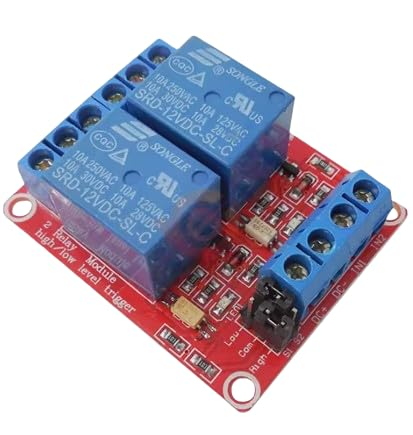
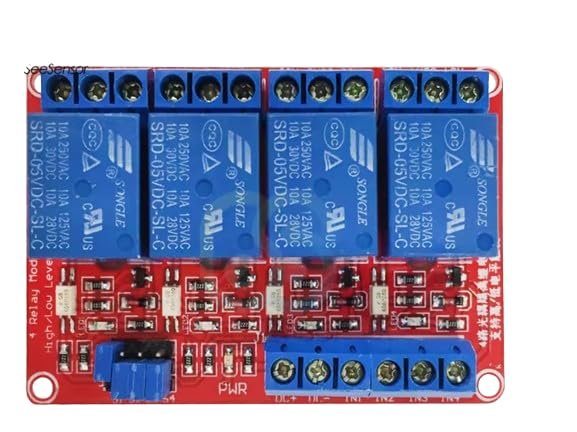
This module is built around a single electromechanical relay, giving you one independent switching channel. The output side typically provides three terminals: COM (common), NO (normally open), and NC (normally closed). With NO wiring, the load is OFF by default and turns ON when the relay is activated. With NC wiring, the load is ON by default and turns OFF when the relay is activated. This flexibility lets you design your project behavior based on safety needs and default states.
The relay is designed with a 9V coil supply, which is useful when your project’s power rail is 9V or when you have a dedicated 9V supply available. Before installation, confirm the relay coil voltage by checking the relay marking on the blue relay body or the seller specification. Using the correct coil voltage is important for reliable switching and long relay life. Many boards also support high-level or low-level trigger input depending on the design, allowing it to work with common controller signals. If you are using a 3.3V controller (like many ESP32/ESP8266 boards), ensure the trigger input is compatible, or use a transistor/driver stage if needed.
Typical uses include switching lights, DC pumps, fans, solenoids, small motors, alarms, door locks, and many other devices where a simple ON/OFF control is needed. It is also useful for timed switching, sensor-based automation, and remote control systems. In educational settings, a relay module is a great tool to learn how low-voltage logic can control a separate electrical circuit while keeping the control side electrically isolated from the load side.
For best results, use proper wiring practices. Keep low-voltage control wires separated from high-voltage load wires. Use a suitable power supply for the relay coil and ensure the load current and voltage stay within the relay’s printed rating (ratings vary by relay model). If switching inductive loads (motors, solenoids), consider using snubber components or flyback protection on the load side where appropriate to reduce electrical noise and extend relay life. Always tighten screw terminals properly and avoid loose connections that can cause heat buildup.
Safety note: switching mains AC voltage can be dangerous. If you are not experienced with mains wiring, consult a qualified electrician. Always disconnect power before wiring, use an enclosure, and provide fusing or circuit protection as required. This module is intended for DIY and prototyping; always test your setup carefully before continuous use.
Included: 1× 9V 1-channel relay module with screw terminals. Ideal for hobbyists and makers who need dependable switching control for automation projects.
Included Components
1× 9V 1-channel relay module with screw terminals

- 9V relay module
- 1 channel relay board
- Arduino relay module 9V
- relay switch module
- high low trigger relay
- relay module screw terminal
- COM NO NC relay
- DIY automation relay
Full description
Control higher-power devices safely and conveniently with this 9V 1-channel relay module. A relay module allows a low-voltage controller (such as Arduino, ESP32, or other microcontrollers) to switch a separate circuit that may be higher voltage or higher current. This makes relay boards a common building block for DIY automation, robotics projects, smart home prototypes, and electrical control panels.
This module is built around a single electromechanical relay, giving you one independent switching channel. The output side typically provides three terminals: COM (common), NO (normally open), and NC (normally closed). With NO wiring, the load is OFF by default and turns ON when the relay is activated. With NC wiring, the load is ON by default and turns OFF when the relay is activated. This flexibility lets you design your project behavior based on safety needs and default states.
The relay is designed with a 9V coil supply, which is useful when your project’s power rail is 9V or when you have a dedicated 9V supply available. Before installation, confirm the relay coil voltage by checking the relay marking on the blue relay body or the seller specification. Using the correct coil voltage is important for reliable switching and long relay life. Many boards also support high-level or low-level trigger input depending on the design, allowing it to work with common controller signals. If you are using a 3.3V controller (like many ESP32/ESP8266 boards), ensure the trigger input is compatible, or use a transistor/driver stage if needed.
Typical uses include switching lights, DC pumps, fans, solenoids, small motors, alarms, door locks, and many other devices where a simple ON/OFF control is needed. It is also useful for timed switching, sensor-based automation, and remote control systems. In educational settings, a relay module is a great tool to learn how low-voltage logic can control a separate electrical circuit while keeping the control side electrically isolated from the load side.
For best results, use proper wiring practices. Keep low-voltage control wires separated from high-voltage load wires. Use a suitable power supply for the relay coil and ensure the load current and voltage stay within the relay’s printed rating (ratings vary by relay model). If switching inductive loads (motors, solenoids), consider using snubber components or flyback protection on the load side where appropriate to reduce electrical noise and extend relay life. Always tighten screw terminals properly and avoid loose connections that can cause heat buildup.
Safety note: switching mains AC voltage can be dangerous. If you are not experienced with mains wiring, consult a qualified electrician. Always disconnect power before wiring, use an enclosure, and provide fusing or circuit protection as required. This module is intended for DIY and prototyping; always test your setup carefully before continuous use.
Included: 1× 9V 1-channel relay module with screw terminals. Ideal for hobbyists and makers who need dependable switching control for automation projects.
Included Components
1× 9V 1-channel relay module with screw terminals
No reviews yet — be the first.
Honest takes from buyers who built with this part.
Write a review
No questions yet.
Ask anything — the team and other customers will reply.
Ask a question
Starter Bundle Builder
Works With
Find more compatible parts
Related
Will update soon.